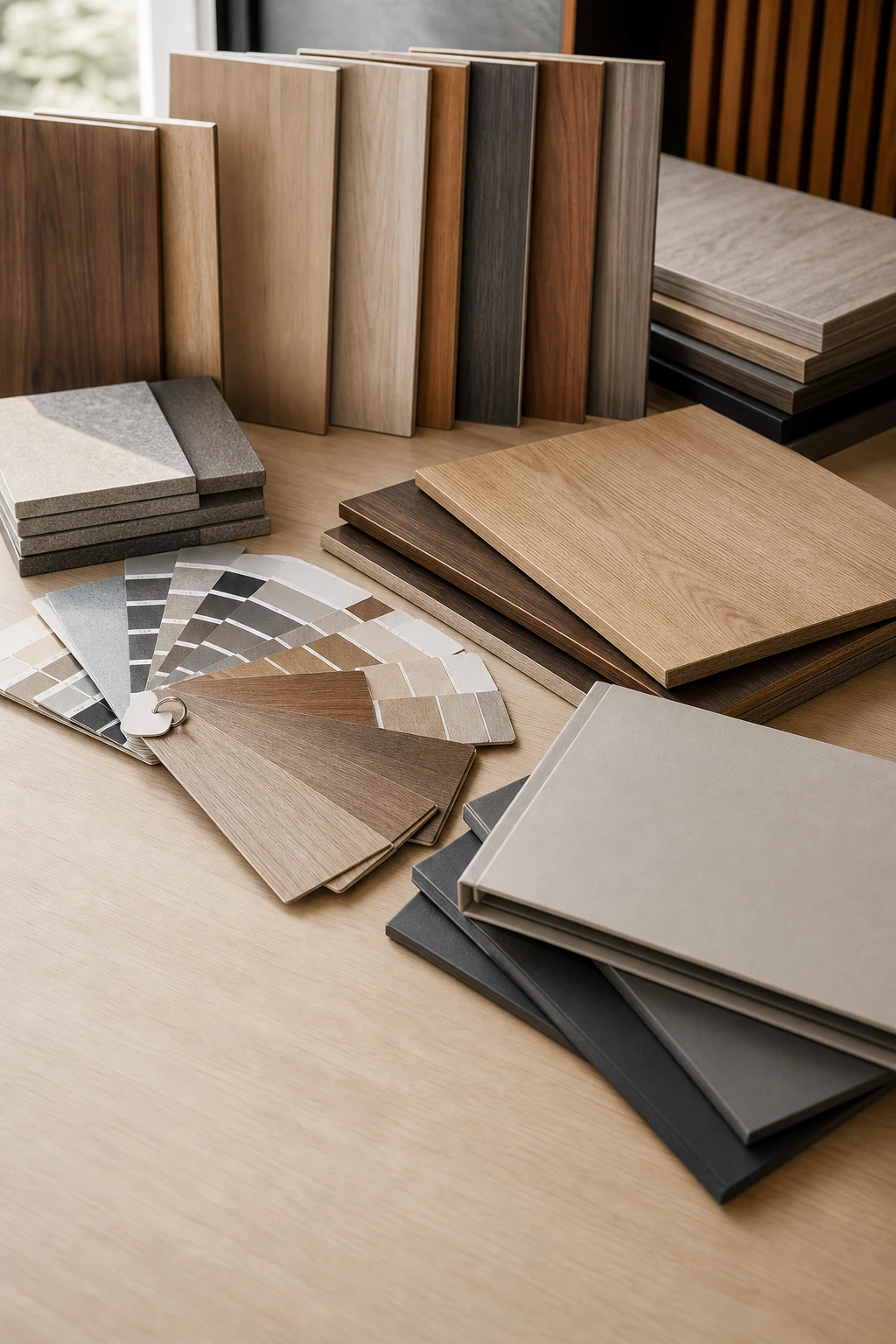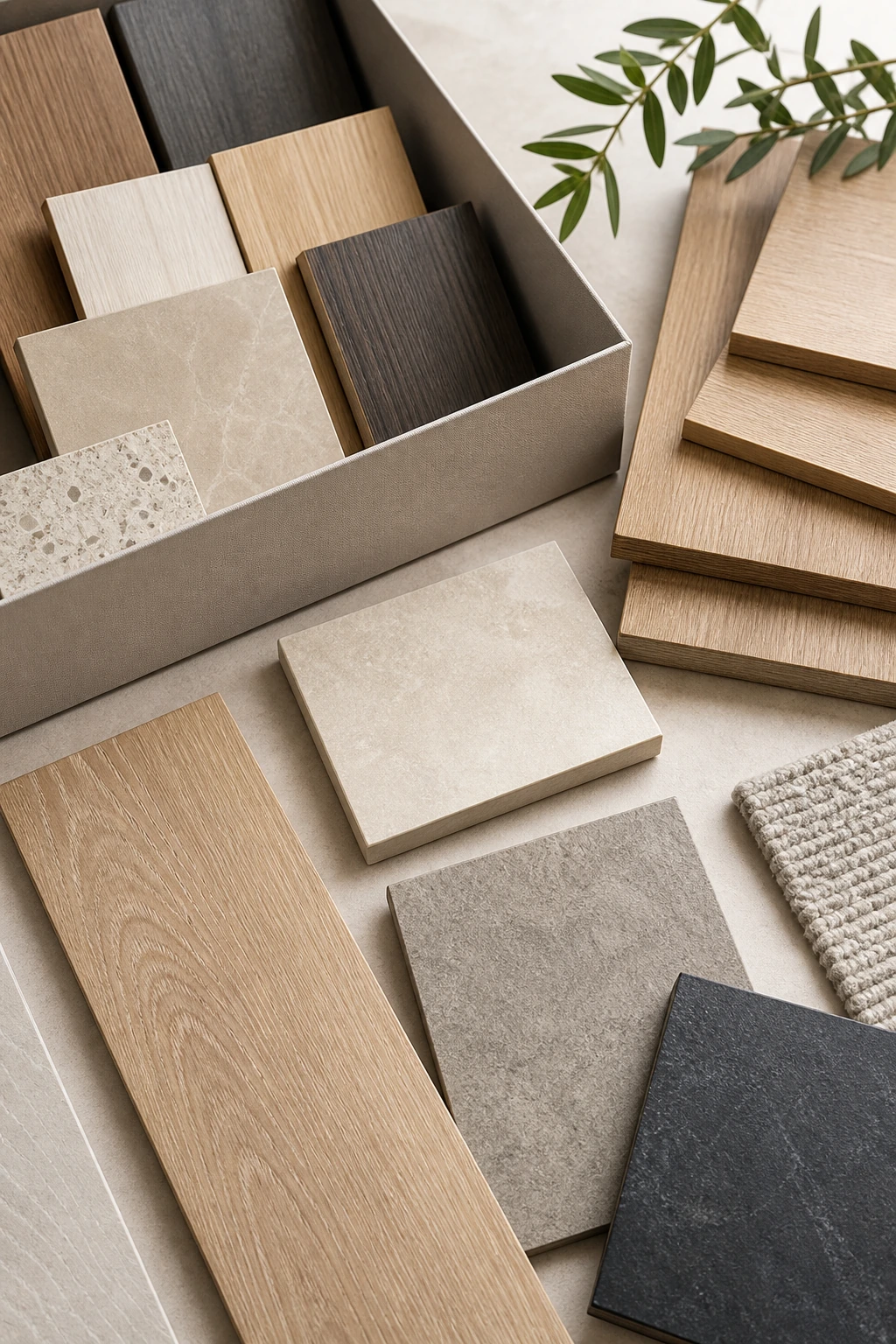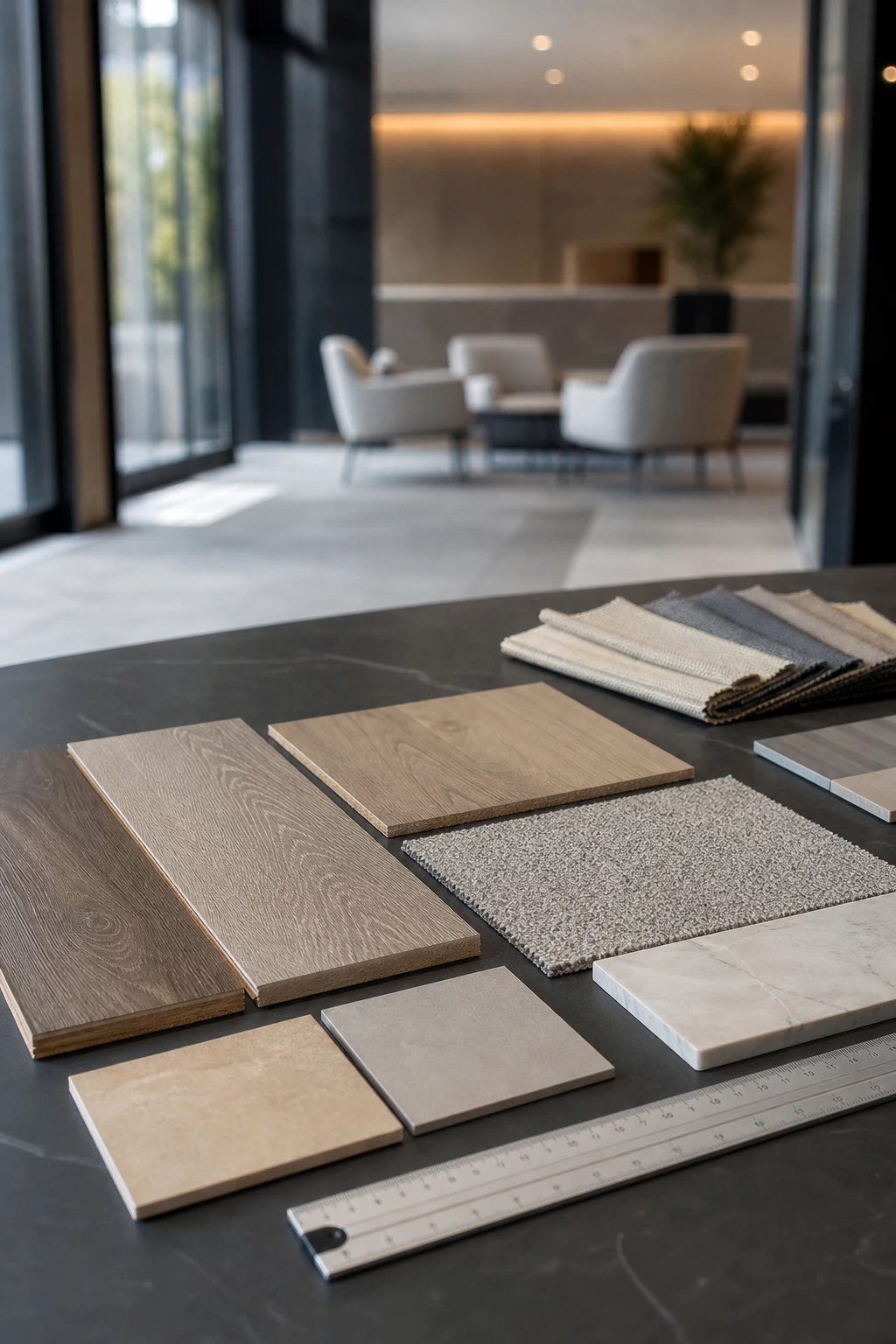
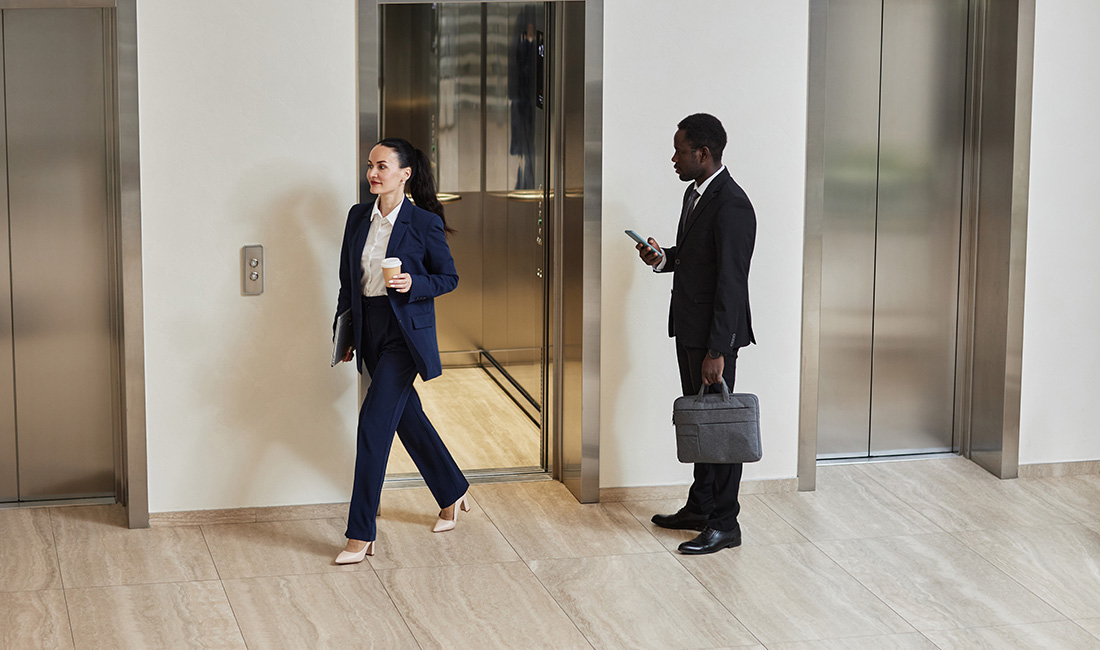
Your commercial elevator floor deals with constant foot traffic, rolling carts, and regular cleaning. It has to meet strict weight limits from the elevator manufacturer, resist slips when wet, and hold up to years of use without constant replacement. The right commercial elevator flooring stays within weight limits, delivers real slip resistance, and fits into a maintenance plan that keeps it safe and looking good for longer.
Every elevator cab comes with a rated load capacity. Flooring materials like epoxy terrazzo, porcelain tile, rubber, or luxury vinyl tile all add their own weight per square foot. You’ve got to factor that in, since extra pounds mean less room for passengers and could even affect code compliance.
Safety comes down to surface texture and solid edges. Slip resistance ratings, like DCOF values, show how a floor handles moisture—pretty important in busy buildings. Good adhesives, properly finished edges, and regular cleaning keep the floor from lifting or becoming a trip hazard, helping it last longer and stay safe.
Understanding What Commercial Elevator Flooring Is And Why It Matters
Commercial elevator flooring is a specialized surface material that withstands high-traffic wear while meeting strict safety and weight regulations. It sits inside the cab, and sometimes in service elevators that haul carts, freight, or equipment.
It’s more than just looks. Every material adds weight, which affects the elevator’s rated load. For instance, rubber flooring at 3/8 inch thickness weighs more per square foot than luxury vinyl tile (LVT) at 2.5 mm. Designers have to balance durability and total cab weight.
Most elevator flooring falls into three main categories:
●Carpet tile or broadloom carpet for comfort and noise reduction
●Luxury vinyl tile (LVT) for scratch resistance and easy cleanup
●Rubber flooring for grip in service elevators and healthcare spaces
Slip resistance is a big deal. Textured surfaces or materials with higher friction ratings help prevent falls, especially when it’s wet. That means fewer injuries and safer rides for everyone.
Installation is part of safety, too. Installers need to match the flooring height to the elevator threshold for ADA compliance. If it’s off, you get trip hazards. Leveling the subfloor and using the right adhesives keeps the floor stable under rolling loads.
Since elevators run almost nonstop in offices, hospitals, hotels, and stores, the flooring really does impact maintenance costs, code compliance, and long-term performance.
How Weight Constraints Affect Your Commercial Elevator Flooring Selection
Every elevator cab has a set rated load—say, 2,500 lbs. That number covers passengers and interior finishes, including the floor.
Manufacturers also give a cab weight allowance, limiting how much extra weight you can add. Go over that, and the system can get out of balance.
Elevators rely on a counterweight system designed around the cab’s base weight. Heavy flooring, like 3/8-inch granite or thick tile, can add hundreds of pounds and throw things off.
Now the motor has to work harder every trip, burning more energy and wearing out brakes and cables faster. That can mean higher operating costs and more frequent maintenance.
Heavy flooring can also cause code headaches. If added weight drops the available passenger capacity below the posted rating, the building might need to re-certify the elevator.
Lighter options like LVT with rated adhesive help keep added weight down. That means you don’t sacrifice passenger capacity just to meet flooring needs.
Ensuring Safety Through Slip Resistance And Edge Failure Prevention In Elevator Flooring
Slip resistance is huge for commercial elevators—carts, damp shoes, and crowded cabs all bump up the risk of falls. Flooring needs a solid dynamic coefficient of friction (DCOF) to meet safety rules. Higher DCOF means better grip, especially during rainy days or cleaning.
Different materials handle traction in their own ways:
●Rubber flooring with textured patterns gives more grip because of raised surfaces.
●Textured vinyl can be slip-resistant if it’s got grit or embossing.
●Porcelain or ceramic tile needs slip-rated finishes—polished tile is a no-go for grip.
●Carpet tile adds traction with its fibers, but it can flatten out under carts.
●Engineered wood needs anti-slip coatings to help with traction.
Edge failure is another headache. If installers leave gaps or use flimsy transition strips, cart wheels can catch and loosen the flooring. That leads to lifting, cracks, and trip hazards.
Good installers use metal transition strips anchored to the subfloor and seal seams with strong adhesives. Since elevator cabs flex under load, adhesives have to move with the floor without losing grip. That means fewer curled edges and fewer calls for repairs.
It’s smart to check seams and thresholds regularly. Fixing loose spots early keeps small problems from turning into real safety issues.
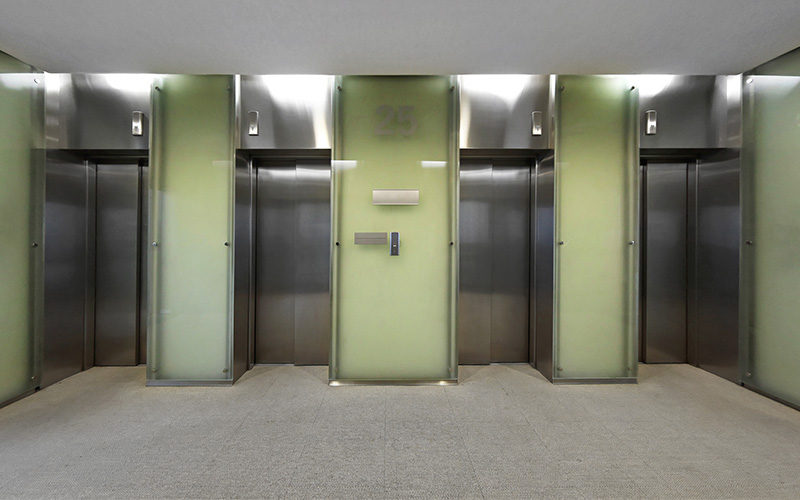
Comparing Resilient Types Of Commercial Elevator Flooring For High-Traffic Buildings
Busy elevators need floors that can take rolling loads, resist slipping, and clean up easily. Rubber flooring and luxury vinyl tile (LVT) are go-to options—they balance weight, safety, and durability without a lot of fuss.
Rubber Elevator Flooring Solutions
Rubber elevator flooring is dense and flexible, made from natural or synthetic rubber. Most have a textured surface and a static friction rating above 0.60 when dry, so shoes and wheels grip well, even in wet weather.
The material absorbs impact by compressing and bouncing back, which cuts down on vibration and wheel noise in the cab. That means fewer noise complaints and less stress on the subfloor.
Rubber also shrugs off dents from carts and stretchers thanks to its strength. Design options are a bit limited—usually solid colors or light patterns. Some new rubber floors can smell a bit after install, so it’s best to air out the cab before putting it back in service.
Luxury Vinyl Tile (LVT) Elevator Flooring Options
Luxury vinyl tile is a multi-layered synthetic flooring, usually with a tough PVC wear layer of 20–30 mil in commercial grades. That wear layer protects the design underneath. For property managers, it means the floor holds up to daily foot traffic without looking worn out fast.
LVT is lighter than stone or tile, which helps keep the elevator within its weight limits. It comes in planks, tiles, or even sheet vinyl for a seamless look. You can get wood, stone, or abstract visuals without the weight of real stone.
But, vinyl can show dents under heavy point loads. In freight elevators with pallet jacks or heavy gear, concentrated pressure may leave marks that don’t bounce back. It’s important to match product thickness and density to what the elevator will carry.
How To Choose The Right Commercial Elevator Flooring Based On Application
The “best” elevator flooring depends on traffic, safety, weight, and design needs. Rubber flooring and LVT fill different roles because of how they’re made and what they’re good at.
When To Choose Rubber Flooring
Pick rubber flooring for hospitals, clinics, schools, transit hubs, and freight elevators—anywhere slip resistance and impact control matter most.
Rubber floors usually score high on dynamic coefficient of friction (DCOF). The textured, grippy surface helps prevent slips, especially in healthcare settings where staff move fast with patients and equipment.
Solid rubber tiles or rolls absorb impact, compressing and rebounding under load. That protects the subfloor from carts, stretchers, and pallet jacks.
Rubber also cuts down on noise. Its dense structure soaks up the rumble from rolling wheels, so there’s less echo in the cab and less noise in the shaft.
Go with rubber when safety and shock absorption matter more than fancy visuals, and when the added weight fits the elevator’s limits.
When To Choose LVT Flooring
Choose LVT (Luxury Vinyl Tile) for office towers, hotels, retail centers, and mixed-use buildings where looks and low weight are priorities.
LVT has a layered build: vinyl backing, printed design film, and a clear wear layer (usually 12–28 mil thick). That top layer protects against scuffs and heel marks, so it’s easier to maintain and doesn’t need replacing as often.
LVT is much lighter than stone or tile, so you keep the elevator within its passenger capacity. Basically, you get the full design load without stressing the motor or counterweights.
Manufacturers offer LVT in wood and stone looks with textured finishes. Designers can match lobby floors without the hassle or weight of real materials. LVT is the choice when you want good looks, fast installation, and low weight.
Proper Elevator Flooring Maintenance Practices To Prevent Wear And Extend Longevity
Elevator floors take a beating from foot traffic, carts, and cleaning. It’s better to stick to a set cleaning schedule than to wait for damage to show up.
Daily care should cover:
●Dry dust mopping to pick up grit
●Damp mopping with a pH-neutral cleaner (pH 7–8)
●Wiping up spills right away
Grit acts like sandpaper, grinding against the surface underfoot. Even a little debris can dull LVT or scratch metal panels in just weeks if staff let it build up.
Use cleaners that fit the material. Epoxy terrazzo, for example, is non-porous and shrugs off stains, so mild cleaners do the trick—no need for harsh chemicals. Strong solvents can damage vinyl or rubber over time, so it’s worth double-checking what you’re using.
Inspect edges and seams every month. Look for lifted corners, cracked grout, loose strips, or gaps by the sill. Catching these early stops trip hazards and keeps moisture from getting under the floor, which can wreck adhesives or cause corrosion.
Keep a maintenance log with dates, products, and repairs. Good records help facility managers spot wear patterns and tweak cleaning before little problems become big ones.
Final Considerations For Upgrading Your Commercial Elevator Flooring Safely
When you upgrade elevator flooring, you’re juggling weight, safety, and code compliance all at once. Every time you swap out material or change thickness, you’re adding some load to the cab. That extra weight cuts into the elevator’s passenger capacity, since the system has a fixed rated limit set by the manufacturer.
Take porcelain tile, for example—it’s about 5–6 pounds per square foot, while luxury vinyl tile (LVT) is usually closer to 2–3 pounds. Tile’s heavier, so if nobody adjusts the load calculation, you could end up reducing how many folks the elevator can carry. Realistically, it’s smart for building owners to get a licensed elevator contractor to double-check that the cab still matches the posted weight rating.
Slip resistance is another thing you can’t ignore. Materials with a higher coefficient of friction, like textured rubber or slip-resistant LVT, help cut down on falls because they give better traction—especially when it’s wet out. That’s fewer slip incidents when people track in rain or snow.
Before you get started, make sure you know:
●Final floor weight per square foot
●Total added cab weight
●Fire rating and smoke development data
●ADA threshold and clearance compliance
●Manufacturer installation guidelines
Don’t overlook moisture and the subfloor. If you put flooring over something damp or uneven, your adhesive might fail and edges could pop up—hello, trip hazard.
Honestly, a safe upgrade needs everyone on the same page: flooring contractor, elevator company, building management. If you catch problems before installation, you’ll avoid expensive fixes later on.
Frequently Asked Questions
What materials are best suited for commercial elevator flooring?
Epoxy terrazzo, luxury vinyl tile (LVT), rubber flooring, porcelain tile, and stainless steel panels all show up in commercial elevators.
Epoxy terrazzo’s tough stuff. It mixes epoxy resin and stone aggregates, then hardens into a seamless surface. Fewer joints mean less water sneaking in and fewer stains. If you’re managing a building, that’s fewer repairs and a floor that can last 25 to 40 years if you treat it right.
LVT is a favorite because it’s built in layers, with a wear layer that’s usually 20 to 40 mils thick. That top layer shrugs off scuffs from carts and shoes. Damaged tiles can be swapped out without tearing up the whole floor.
Rubber flooring stands out for slip resistance. Manufacturers mold it with textured surfaces and add high-friction compounds. That helps keep people on their feet, even in wet weather. It also muffles sound, which is always nice inside a cab.
Porcelain tile gives you a hard, durable surface. If you pick the right type, it’ll meet ANSI A137.1 slip standards. The catch? Tile’s heavy, so you’ve got to double-check the cab’s weight limits before you install it.
Stainless steel panels work well in healthcare or transit settings. They don’t soak up liquids and hold up to frequent disinfecting. Sure, they cost more upfront, but they make cleaning a breeze.
How do you properly maintain flooring in a commercial elevator to ensure safety?
Start with daily dry dust mopping to get rid of grit. That stuff acts like sandpaper and eats away at finishes.
Use neutral-pH cleaners that fit your floor type. Epoxy terrazzo, for example, can handle a lot, but harsh acids will dull it. The right cleaner protects the finish and helps avoid slippery residue.
Check the edges at door thresholds every week. Those spots take a beating from carts and wheelchairs. Fixing problems early stops trips and keeps the subfloor in good shape.
It’s a good idea to schedule regular recoating or resealing. Terrazzo might need polishing and a new sealer every few years. For LVT, you might strip and reapply finish. Staying on top of maintenance almost always costs less than a full replacement after things go south.
What is the maximum weight capacity for commercial elevator floors?
The elevator system—not the floor itself—sets the max load.
Most commercial passenger elevators are rated for 2,500 to 5,000 pounds, depending on cab size and design. Your flooring has to fit within that number, since every extra pound of material eats into the payload for people and stuff.
Let’s say you pick a thick stone or tile system—you could be adding hundreds of pounds compared to LVT. Since the floor assembly counts toward the elevator’s rated capacity, engineers need to subtract flooring weight from the total. Go too heavy, and you’ll have to limit passengers.
You’ll find the rated load on the elevator’s data plate inside the cab. Building owners should check this before picking out heavy flooring.
How often should commercial elevator floors be inspected for safety compliance?
Building staff should give elevator floors a quick visual check every day while cleaning. They need to watch for loose tiles, cracked grout, curled edges, or any wet spots that could trip someone up.
Most places require a certified inspector to check elevators once a year. That inspection covers the cab’s overall shape, including flooring hazards that might cause slips or trips.
Busy spots—think hospitals or transit stations—usually go a step further and review floor conditions every few months. Catching wear early makes sense, right? It helps operators avoid headaches with liability and keeps them on the right side of local safety codes.