When property owners choose flooring for kitchens, bathrooms, basements, or commercial spaces, one question surfaces repeatedly: will this floor absorb spills, trap bacteria, or stain permanently? The answer depends largely on a single material property — porosity. Vinyl flooring is fundamentally a non-porous material, meaning its sealed surface repels liquids rather than absorbing them. However, the product type, wear layer thickness, seam construction, and installation quality all influence how moisture behaves in the real world. Understanding this interplay helps property owners make informed decisions and maintain their floors for decades.
What Does Porosity Mean in Vinyl Flooring Materials?
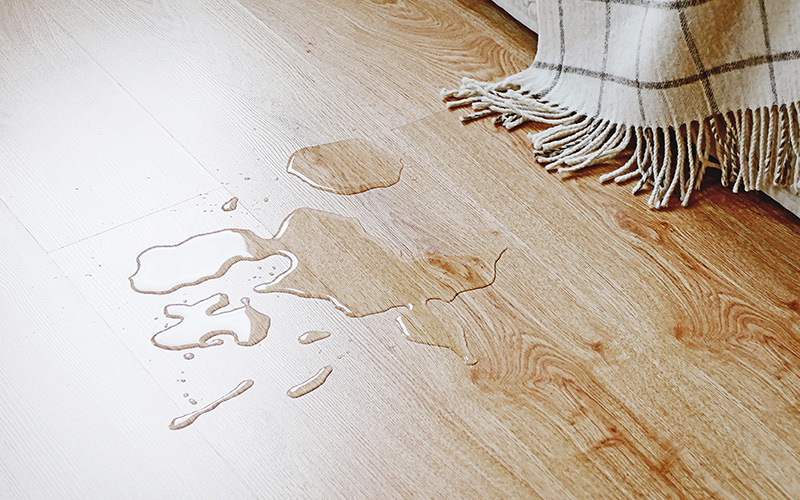
Porosity measures how readily a material absorbs liquids through microscopic surface openings. Porous floors soak up spills, leading to staining, mold, and structural damage. Non-porous surfaces repel moisture, keeping liquids on top for easy removal. In practical terms, porosity determines a floor’s vulnerability to discoloration from absorbed pigments, microbial growth beneath the surface, and structural weakening from trapped moisture.
Is Vinyl Flooring Porous or Non-Porous in Reality?
Vinyl flooring is fundamentally non-porous. Its PVC-based composition and sealed wear layer prevent liquid absorption through the surface. Modern vinyl features a wear layer that serves as the primary moisture and scratch barrier, creating a sealed shield that neither water nor staining agents can penetrate under normal conditions. However, seams between planks or tiles, damaged edges, and subfloor conditions can create moisture pathways — making the installed system semi-porous in practice if the installation is imprecise.
What Are the Different Types of Vinyl Flooring and Their Porosity?
Introduction: Understanding the various options is essential for evaluating moisture resistance across different product lines.
●SPC (Stone Polymer Composite) is a rigid core flooring that utilizes a dense limestone and PVC mixture to provide exceptional waterproof performance.
●WPC (Wood Polymer Composite) is a resilient flooring that features a foamed core for a softer, warmer feel underfoot while maintaining moisture resistance.
●LVT (Luxury Vinyl Tile) is a flexible flooring that relies on high-quality PVC layers for durability and surface water resistance.
●Sheet vinyl is a continuous flooring product that covers large areas with minimal to no seams, offering the highest level of impermeability.
Differences: The primary differences in porosity among these types lie in their core construction and seam vulnerabilities. Sheet vinyl is virtually non-porous across the entire room due to its seamless installation. SPC’s dense core is 100% waterproof and will not swell even if water breaches the seams. WPC offers a sealed surface but is slightly more vulnerable to extreme temperature shifts. LVT’s flexible core resists moisture, but its traditional tile-format seams require careful installation to prevent water intrusion.
How to Choose the Right Type:
●When to choose SPC: Select this when you need maximum durability, high-impact resistance, and 100% waterproof performance in high-traffic commercial spaces or damp basements.
●When to choose WPC: Select this when you prioritize underfoot comfort and sound insulation in residential bedrooms or living rooms.
●When to choose Sheet Vinyl: Select this when hygiene and absolute surface impermeability are critical, such as in healthcare facilities, clean rooms, or commercial kitchens.
●When to choose LVT: Select this when you need design flexibility, custom patterns, and easier individual piece replacement in moderate-traffic retail or residential areas.
What Is the Difference Between Water-Resistant and Waterproof Vinyl Flooring?
Introduction: While all vinyl flooring offers some level of moisture protection due to its non-porous surface, the terms water-resistant and waterproof indicate distinctly different performance levels regarding the core and seams.
Differences: Water-resistant vinyl repels surface spills effectively but may allow moisture to seep through seams and damage the core or subfloor during prolonged exposure. Waterproof vinyl — typically featuring an SPC core and advanced, tight-locking joint mechanisms — prevents water from reaching the subfloor under normal conditions and will not swell, warp, or degrade even if fully submerged.
How to Choose:
●When to choose water-resistant vinyl: Opt for this in low-risk areas like bedrooms, living rooms, or upper-floor hallways where spills are rare, quickly noticed, and cleaned immediately.
●When to choose waterproof vinyl: Choose this for high-moisture environments such as bathrooms, laundry rooms, basements, and commercial entryways to ensure long-term structural integrity against standing water.
Advantages and Disadvantages of Non-Porous Vinyl Flooring
Evaluating the pros and cons helps property owners understand exactly how a non-porous surface impacts daily use and long-term maintenance.
Advantages:
●Superior Stain Resistance: The sealed, non-porous wear layer keeps pigments, oils, and spills on the surface, making them incredibly easy to wipe away without leaving permanent marks.
●Enhanced Hygiene: It does not harbor dust mites, pet dander, or bacteria beneath the surface, making it an excellent choice for allergy sufferers and sterile commercial environments.
●Easy Maintenance: Routine cleaning requires only basic sweeping and damp mopping; it never requires waxing, polishing, or periodic resealing like natural stone or wood.
●Moisture Protection: Prevents water from penetrating the material, safeguarding the floor against rot, swelling, and warping.
Disadvantages:
●Subfloor Moisture Risks: While the top surface is non-porous, moisture from an untreated concrete subfloor can become trapped underneath the planks, leading to mold or adhesive failure if a proper vapor barrier is not installed.
●Chemical Staining Vulnerability: Rubber-backed mats or certain harsh chemicals can cause permanent yellow discoloration through a chemical reaction with the PVC wear layer.
●Seam Vulnerability in Planks: In plank or tile formats, poor installation or shifting subfloors can leave seams open, allowing water to bypass the non-porous surface entirely.
How Do Stains and Hygiene Interact with Non-Porous Vinyl Flooring?
Because vinyl is non-porous, bacteria, dust mites, and allergens remain strictly on the surface where routine cleaning removes them. Unlike carpet or untreated hardwood, vinyl does not harbor microorganisms. Furthermore, modern vinyl often embeds antimicrobial additives directly into the wear layer to continuously inhibit bacterial reproduction. However, prolonged contact with highly pigmented substances (like turmeric or hair dye) or wear-layer degradation over years of heavy foot traffic can allow staining agents to bond with the surface texture. The most important preventive measure is prompt cleaning.
How Should Vinyl Flooring Be Cleaned to Maintain Its Non-Porous Properties?
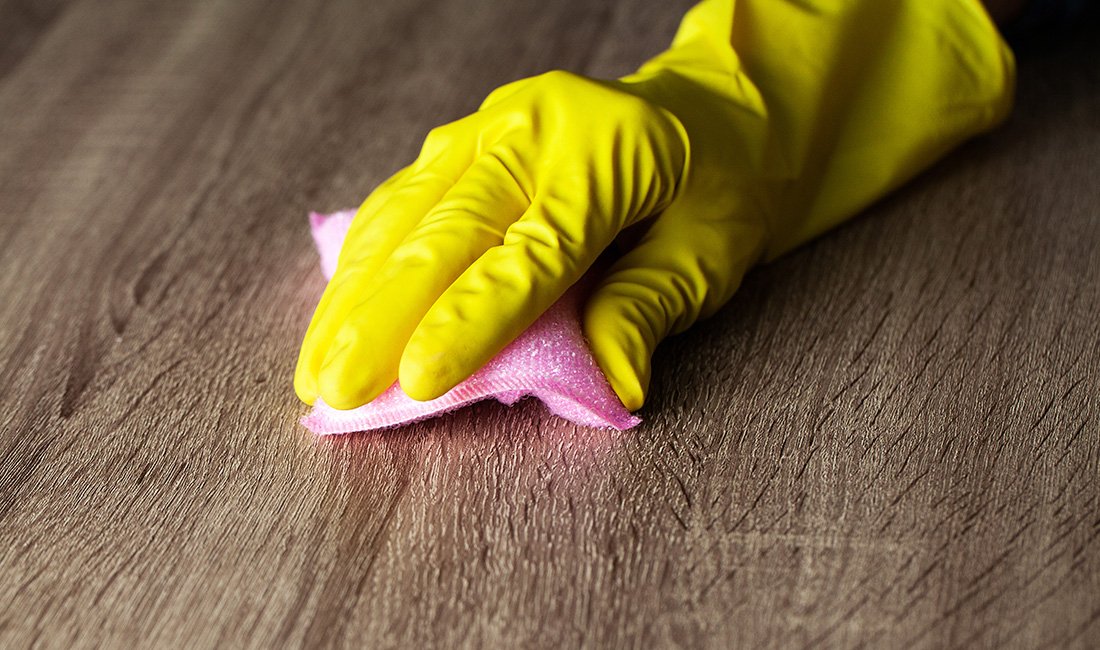
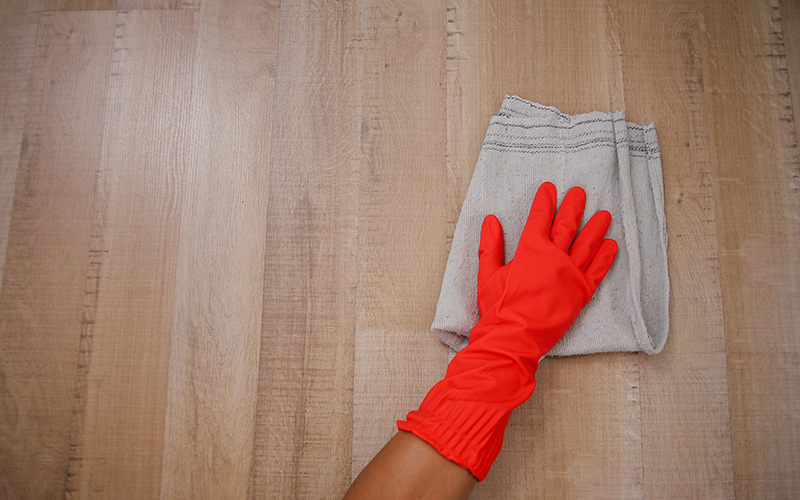
Proper cleaning preserves vinyl’s sealed wear layer — the vital barrier that keeps the floor non-porous. A pH-neutral, vinyl-specific cleaner used with a damp (not soaking) mop represents the safest routine. You must avoid ammonia-based cleaners, which cause micro-cracking, and abrasive scrubbing pads, which scratch the barrier. Additionally, never use steam mops on vinyl flooring; the excessive heat and forced moisture can degrade the protective barrier, melt adhesives, and compromise the flooring’s waterproof integrity.
How Does Vinyl Flooring Compare to Other Floors in Porosity?
Introduction: When selecting flooring, comparing porosity across different materials is crucial for predicting longevity, maintenance requirements, and moisture resistance.
Differences: Vinyl ranks among the least porous mainstream flooring options. Hardwood’s open grain absorbs liquid within minutes, causing swelling and permanent discoloration. Natural stone is highly porous and requires periodic chemical sealing to maintain any moisture resistance. Laminate flooring contains a wood-based core that swells irreversibly if water reaches it through the seams. Ceramic tile itself has low porosity, but its grout lines are highly porous and prone to trapping stains and mold.
How to Choose Between Vinyl and Alternatives:
●When to choose vinyl flooring: Select this when you need low-maintenance, highly moisture-resistant, and hygienic flooring that never requires sanding, sealing, or regrouting.
●When to choose porous alternatives (like hardwood or stone): Select these when authentic natural materials are an absolute aesthetic requirement, and you have the budget and willingness to maintain the strict, periodic sealing routines required to protect them from moisture.
Frequently Asked Questions About Vinyl Flooring Porosity
Can mold grow under vinyl flooring?
Mold cannot grow on vinyl itself because it is inorganic and non-porous. However, it can develop on a damp subfloor beneath the vinyl if moisture vapor emission was not addressed with a proper barrier before installation.
Does vinyl flooring emit VOCs after installation? Some newly manufactured vinyl products release volatile organic compounds temporarily. Choosing certified low-VOC products ensures that emissions meet strict indoor air quality standards and dissipate quickly.
What is the difference between vinyl and linoleum porosity? Vinyl is a PVC-based flooring that is entirely non-porous and requires no sealing. Linoleum is a linseed oil-based product that is naturally more porous and needs periodic resealing to prevent stains and moisture damage.
Can bleach be used on non-porous vinyl floors? Diluted bleach can be used very sparingly for severe disinfection, but frequent use will chemically degrade the wear layer over time. pH-neutral cleaners are always the recommended choice for routine maintenance.