Plenty of American homeowners get stuck choosing between laminate and vinyl, and honestly, it’s easy to see why—they can look almost identical at first glance. But the real difference shows up later, especially if moisture gets involved. Swelling, seam damage, or even early failure can sneak up on you. Brands like Shaw Floors, Mohawk, Mannington, Tarkett, Coretec, and Karndean all offer both, but what’s inside those planks is a whole different story.
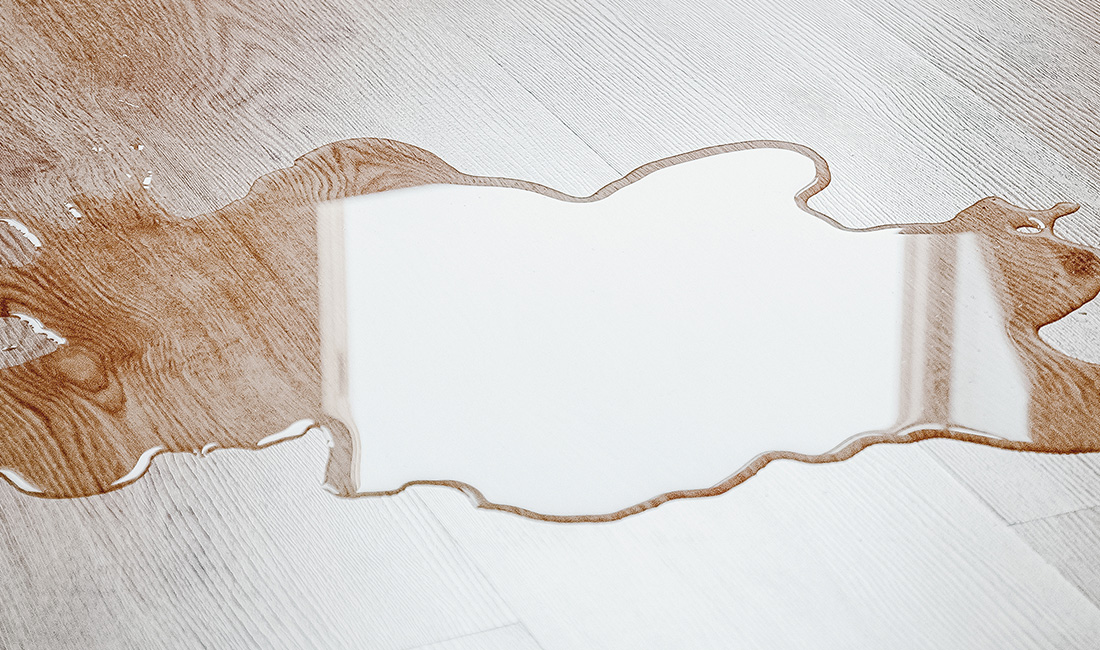
Vinyl flooring handles moisture better than laminate because it uses a PVC or polymer core that doesn’t absorb water, while laminate relies on a wood‑based core that can swell when exposed to moisture. In real life, this means you’ll see more claims and problems with laminate in kitchens, basements, and entryways—especially after spills or leaks. You can sweep and mop vinyl with a damp microfiber mop and not think twice. But do the same with laminate, and if water gets into the seams, you’re asking for trouble.
Cost is another piece of the puzzle. Laminate usually costs less upfront, but if you have to repair or replace it early, that savings disappears fast. Vinyl can sting a bit more at the register, but its waterproof core and lower failure rate often mean you pay less in the long run. That’s worth considering when you’re matching flooring to each room—or just trying to avoid future headaches.
What Is Laminate Flooring and How Is It Constructed?
Laminate flooring is basically a multi-layer synthetic plank made under heat and pressure. Each layer gets fused together to mimic wood, stone, or tile—sometimes surprisingly well.
The core is HDF (high-density fiberboard), which forms from compressed wood fibers and resin. Here’s the catch: wood fibers soak up water. So, the core is hydrophilic—it swells if it gets wet. That means a leak or standing water can leave permanent edge swelling. Not great.
On top of the core, you’ll find a photographic design layer. This is just a printed image that gives you that wood or stone look. Above that, a clear wear layer—usually aluminum oxide—adds scratch resistance. Those oxide particles toughen up the surface.
Underneath, a backing layer balances things out and keeps the plank from warping too much as temperatures change.
Most laminate planks use a click-lock edge system. The edges snap together, no glue needed, so you can float the floor over underlayment. It’s pretty DIY-friendly.
What Is Vinyl Flooring and Why Is It Considered Fully Waterproof?
Vinyl flooring is a synthetic product made mostly from polyvinyl chloride (PVC) and stabilizers. You’ll find it as sheets, tiles, or planks—often called luxury vinyl plank (LVP).
The real reason vinyl is called “fully waterproof” is its plastic-based core. Many products have SPC (stone plastic composite) or WPC (wood plastic composite) cores. These don’t absorb water. So when the floor gets wet, nothing swells or warps.
That’s why manufacturers can claim “waterproof.” Water just can’t get inside PVC or SPC. So, even if you have a leak, pet accident, or go wild with a mop, the planks themselves stay fine.
Vinyl also has a sealed wear layer on top. This clear PVC layer keeps moisture from ever reaching the core. So, puddles just sit there until you wipe them up.
Click-lock seams fit tightly and help keep water from slipping between planks. In real homes, that means less chance of moisture soaking into your subfloor during quick spills.
Laminate vs. Vinyl Flooring Water Resistance: Analyzing Swelling Risks and Moisture Tolerance
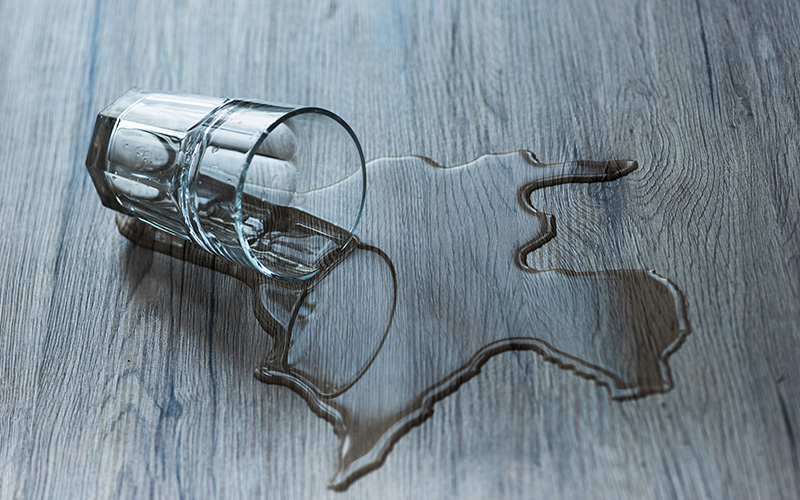
Laminate and vinyl deal with water very differently, all because of their cores. Laminate has a fiberboard core that soaks up water. Vinyl has a PVC core that just shrugs it off.
The swelling mechanism usually starts at the seams. If water sneaks past the edge, laminate’s fiber layer drinks it in and expands. You’ll see raised joints—almost like the floor’s got goosebumps. Vinyl doesn’t change shape when wet, so it stays flat and stable.
Edge failure is the long-term headache. Even after the surface dries, swollen laminate edges might never go back to normal. This is even more likely in kitchens and basements without a good vapor or moisture barrier. Vinyl avoids this because its waterproof core can’t swell at the seams.
Wear layers matter for scratches, but not for water. Even a thick wear layer won’t stop water from sneaking into the seams. Edge sealing does more for moisture resistance than wear layer thickness ever could.
|
Feature |
Waterproof Laminate Flooring |
Waterproof Vinyl Flooring |
|
Core material |
Fiberboard |
PVC core |
|
Water exposure |
Time-limited resistance |
Full waterproof |
|
Swelling risk |
Present at seams |
None |
|
Heat resistance |
Moderate |
Moderate |
Warranty reality is worth a look. Laminate warranties usually call floors water-resistant and make you clean up spills within 24 hours—or you’re out of luck. Vinyl warranties are more likely to cover waterproof use, even with standing water.
Economic Analysis
Material costs are the first thing people notice. Laminate flooring is often cheaper per square foot than vinyl, thanks to its fiberboard core and printed wear layer. Vinyl costs more because of its PVC layers and waterproof core, but that changes the risk profile down the road.
Installation costs? They’re pretty close. Both use click-lock systems, so labor takes about the same amount of time. Sometimes vinyl needs a bit more subfloor prep if it has a rigid core, but it’s not a huge difference.
Replacement economics show up after water hits. Laminate swells and usually can’t be salvaged after a major leak—it’s a total loss. Vinyl planks with PVC cores and sealed seams? You can often pull them up, dry them out, and put them right back. So, one bad leak with laminate might mean replacing the whole floor, while vinyl could let you off the hook.
Claims from installers and insurers back this up: laminate fails more often in kitchens, baths, and basements. The reason? Fiberboard soaks up water, PVC doesn’t. So, picking the right floor for each room really does affect your long-term costs.
Flooring warranties show the same thing. Laminate warranties usually exclude standing water, but vinyl often covers it. And if you’re thinking about resale, vinyl in wet areas can bump up your home’s value a bit, just because buyers know it’s less likely to need replacing.
Major Advantages and Disadvantages of Laminate Flooring for Residential Use
Laminate flooring comes with a high-density fiberboard (HDF) core and a melamine wear layer on top. This layered setup is behind both its strengths and its weak spots at home.
Advantages
●Realistic wood look: Plenty of laminate planks have embossed textures that line up with the printed grain. That combo can make them look more like real wood than the smoother vinyl options.
●Scratch resistance: Many brands hit the AC3 or AC4 abrasion rating, so they can handle scuffs from shoes and pets in normal living areas. You’ll see fewer marks over time.
●Lower upfront cost: Laminate generally costs less per square foot than rigid vinyl. If you’re doing bedrooms, offices, or other dry spaces, it’s a budget-friendly pick.
Disadvantages
●Moisture sensitivity: That HDF core swells if water gets into the seams. Spills or leaks can leave you with lifted edges and permanent damage.
●No refinishing: The design layer sits right under the wear coat. Once it’s worn through, sanding will just erase the image. So, you’re looking at replacement, not repair.
●Hollow sound: Because most installs float over the subfloor, there’s air space underneath. That can make the floor sound a little hollow or noisy unless you use extra underlayment.
Major Advantages and Disadvantages of Vinyl Flooring for High-Moisture Environments
Vinyl flooring is built from PVC with sealed layers, so it doesn’t soak up water. Spills or humidity won’t make the planks swell up. That’s why vinyl works well in bathrooms, kitchens, and basements—places where moisture usually causes trouble for other floors.
Advantages in wet areas include:
●Waterproof structure: Most vinyl planks have a solid vinyl or SPC/WPC core. You can leave standing water on them for hours, and the planks won’t change size.
●Fewer moisture problems: Installers say they rarely have to replace vinyl due to swelling or lifted edges. That means less hassle and fewer repairs as the years go by.
●Better comfort and sound: Vinyl’s resilient core and optional pad make it quieter and softer underfoot than laminate. That’s a noticeable difference if you’re barefoot or have kids running around.
Vinyl usually clicks together like laminate, but since the joints aren’t made of wood fiber, they hold up better in damp spots.
Disadvantages still matter in real homes:
●Surface denting: Softer cores can get compressed by heavy furniture. If you park a fridge or sofa for a while, don’t be surprised if it leaves a mark.
●Higher upfront cost for rigid-core lines: SPC and WPC versions cost more than basic laminate. You’re paying for peace of mind in wet rooms, but it’s still a bigger investment up front.
How to Choose Between Laminate and Vinyl Flooring Based on Room Requirements
The right choice depends on what your room throws at the floor—moisture, noise, risk of damage. The way each material is built explains why one might outlast the other in certain spaces.
When to Choose Laminate Flooring
Laminate shines in dry rooms like living rooms or bedrooms. It’s made with a high-density fiberboard (HDF) core and a tough melamine top layer. Since the core is basically compressed wood, it’ll swell if water sits on it. You’ve got to wipe up spills quickly.
It’s a good pick if you care more about scratch resistance than water issues. The aluminum oxide layer shrugs off scuffs from shoes and furniture. In dry climates, or homes where leaks are rare, that’s a real plus.
Laminate also works if you’re watching your budget, especially for rentals or quick updates. The material’s affordable, and the planks click together fast, so you might save on installation too.
When to Choose Vinyl Flooring
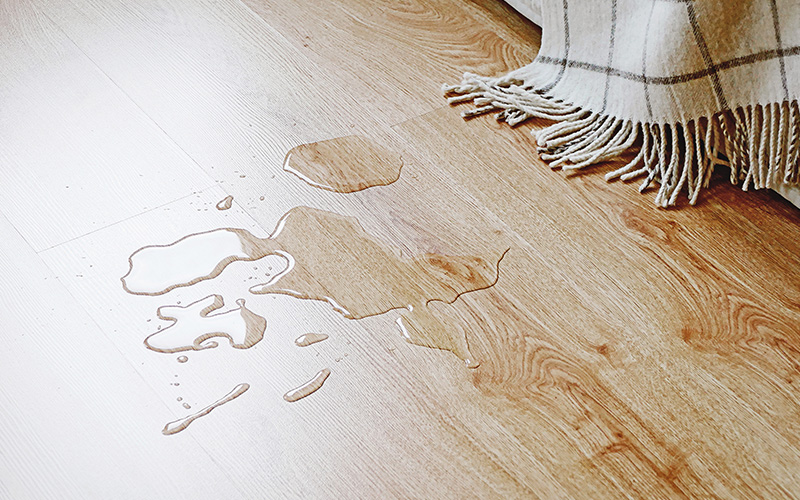
Vinyl is the go-to for basements, kitchens, and bathrooms—anywhere moisture could be a problem. SPC and WPC vinyl planks have PVC cores that just don’t absorb water. Standing water? No swelling, no drama. That means fewer water-damage headaches.
It’s also a lifesaver if you’ve got pets or little kids. Accidents and spills stay on the surface, so cleanup is easier and you won’t get lingering smells.
A lot of vinyl options come with foam underlayment attached, which makes them quieter and more comfortable to walk on. That’s something you’ll notice in apartments or upstairs rooms.
Frequently Asked Questions
What are the pros and cons of vinyl and laminate flooring?
Vinyl uses a PVC-based core (EAV) that doesn’t soak up water. Liquids can’t get in, so swelling just isn’t an issue. This keeps moisture-related repairs to a minimum in kitchens, baths, and basements.
Laminate has a wood fiber core (EAV) pressed under heat. When it gets wet, the fibers swell, causing edges to lift and joints to fail. That’s why laminate isn’t a great idea for wet rooms or anywhere plumbing leaks could happen.
Vinyl can emit low levels of VOCs if it’s certified (like FloorScore). That matters for indoor air quality—certified floors meet limits for formaldehyde and total VOCs. Laminate can meet these standards too, but older, uncertified products might not.
Recycling is another story. Laminate has wood fibers, but the resins make it hard to recycle. Vinyl recycling does exist, but whether you can actually do it depends on local options.
How does the cost of vinyl flooring compare to laminate?
The price per square foot usually overlaps. Vinyl plank often runs $2.50–$5.50 (EAV), while laminate is more like $1.50–$4.50 (EAV). So, price alone doesn’t tell the whole story.
Long-term, the costs split because of moisture risk. Vinyl’s waterproof build means you’re less likely to replace it after water damage, so even if it costs more upfront, you might save money in the long run.
Installation costs are pretty similar for click-lock systems. Glue-down vinyl can bump up labor costs, while laminate usually floats on top.
Can laminate or vinyl flooring be used on a concrete substrate?
You can install both over concrete, but prep is different. Vinyl handles leftover moisture since the PVC core won’t swell. So, it works over slabs with higher moisture readings if you use the right underlayment.
Laminate needs a vapor barrier over concrete (EAV) to keep moisture from reaching the wood core. Skip that step, and you’re asking for trouble—cupping or failed joints are way more likely.
Flatness is important for both. Most brands want less than 3/16 inch variation over 10 feet (EAV). That keeps the planks from separating when you walk on them.
What is the best luxury vinyl plank flooring available in 2025?
In 2025, the best luxury vinyl plank flooring doesn’t really come down to a single brand. Instead, the top choices share a few standout traits. Most notably, they use rigid SPC cores with limestone filler (EAV), which helps the planks stay stable—even when sunlight pours in through the windows. That means fewer annoying gaps showing up over time.
You’ll also notice these floors have tough wear layers, usually around 20–22 mil (EAV), so they can handle pets, chairs, and daily life without looking worn out. If you care about indoor air quality (and honestly, who doesn’t?), keep an eye out for certified low-VOC labels like FloorScore.
More brands now offer recycling and take-back programs, which is a relief if you worry about waste. Some even publish EPDs and make it easier to recycle planks after use. It’s a nice step forward for the environment, and you don’t really have to change how you use your floors.