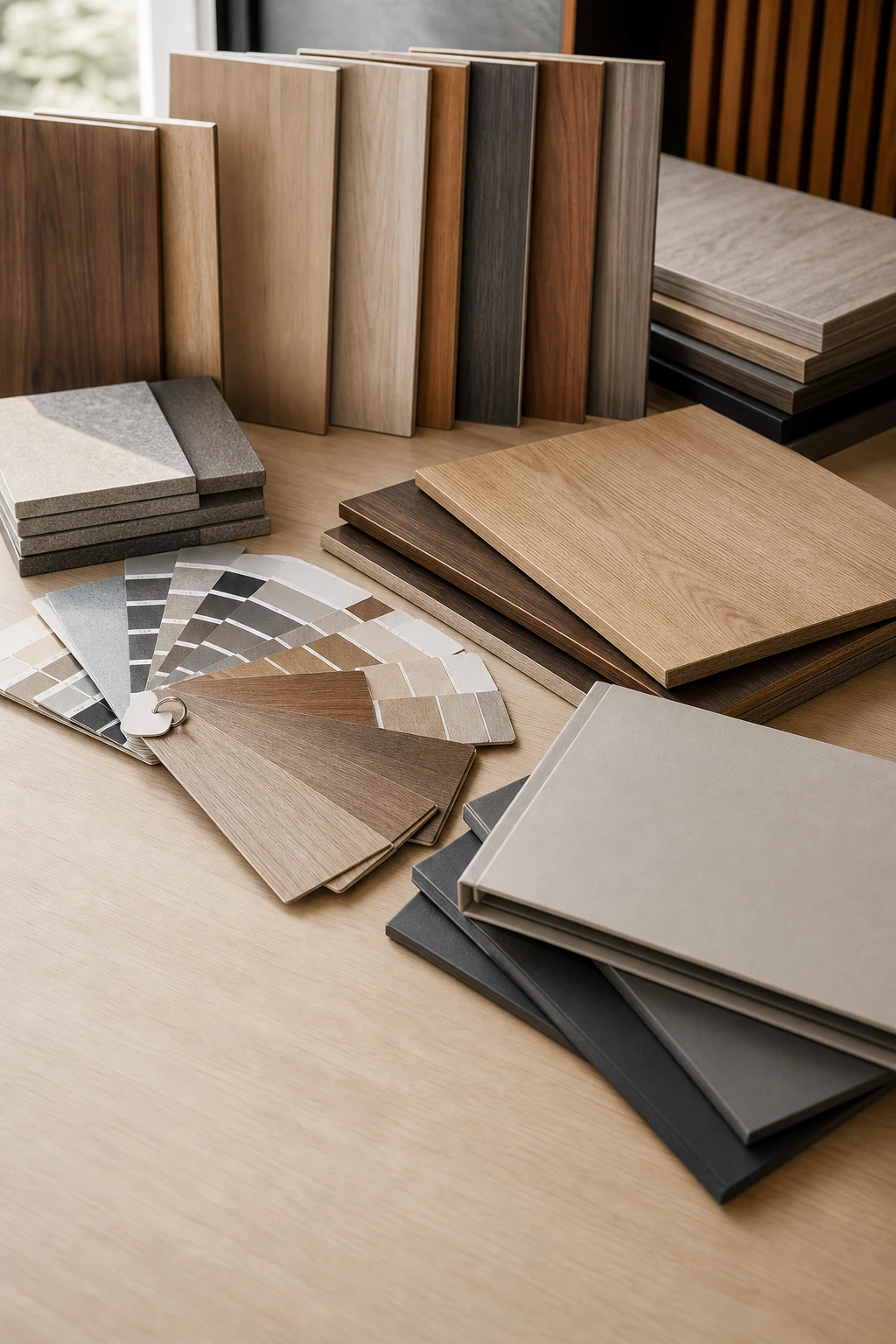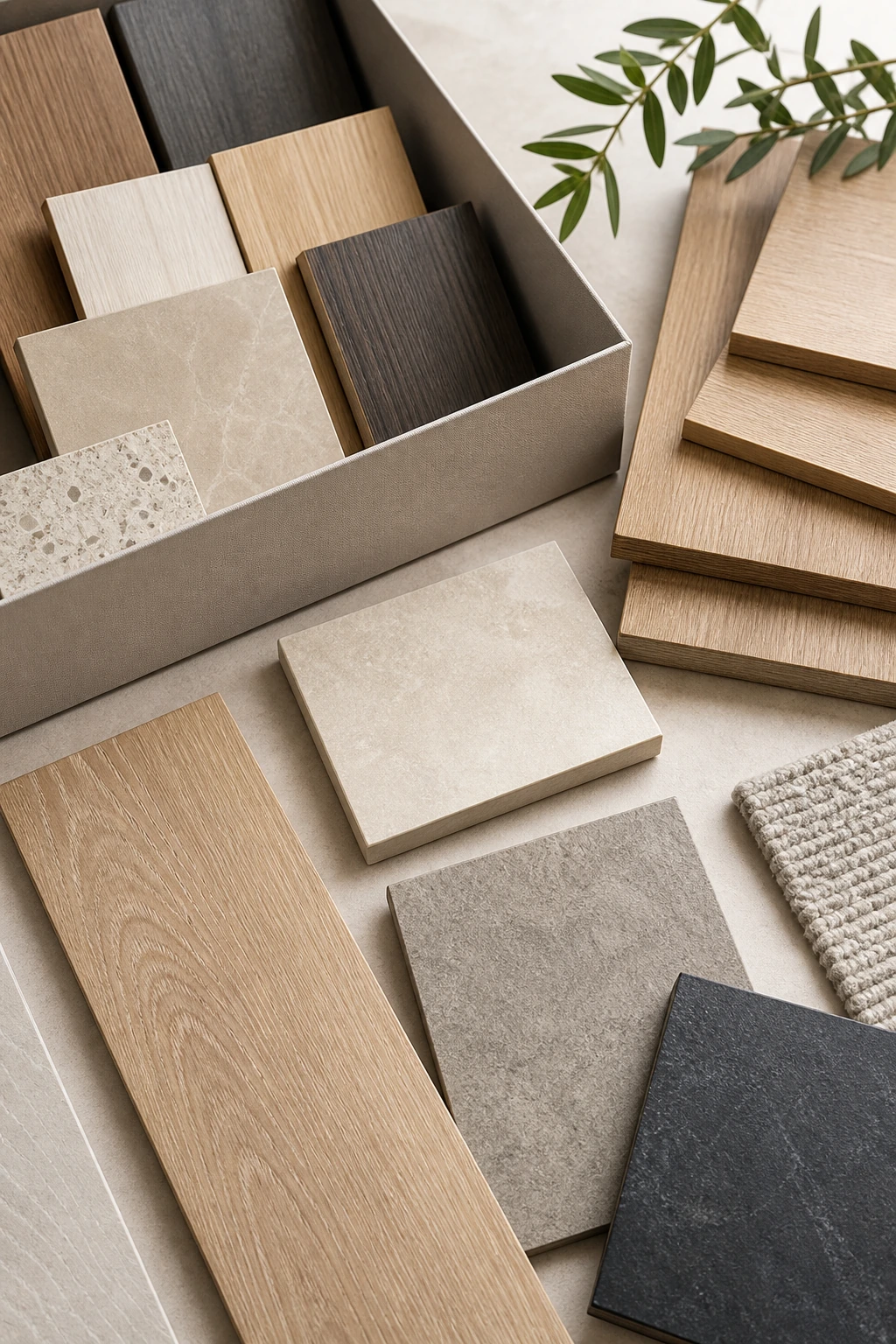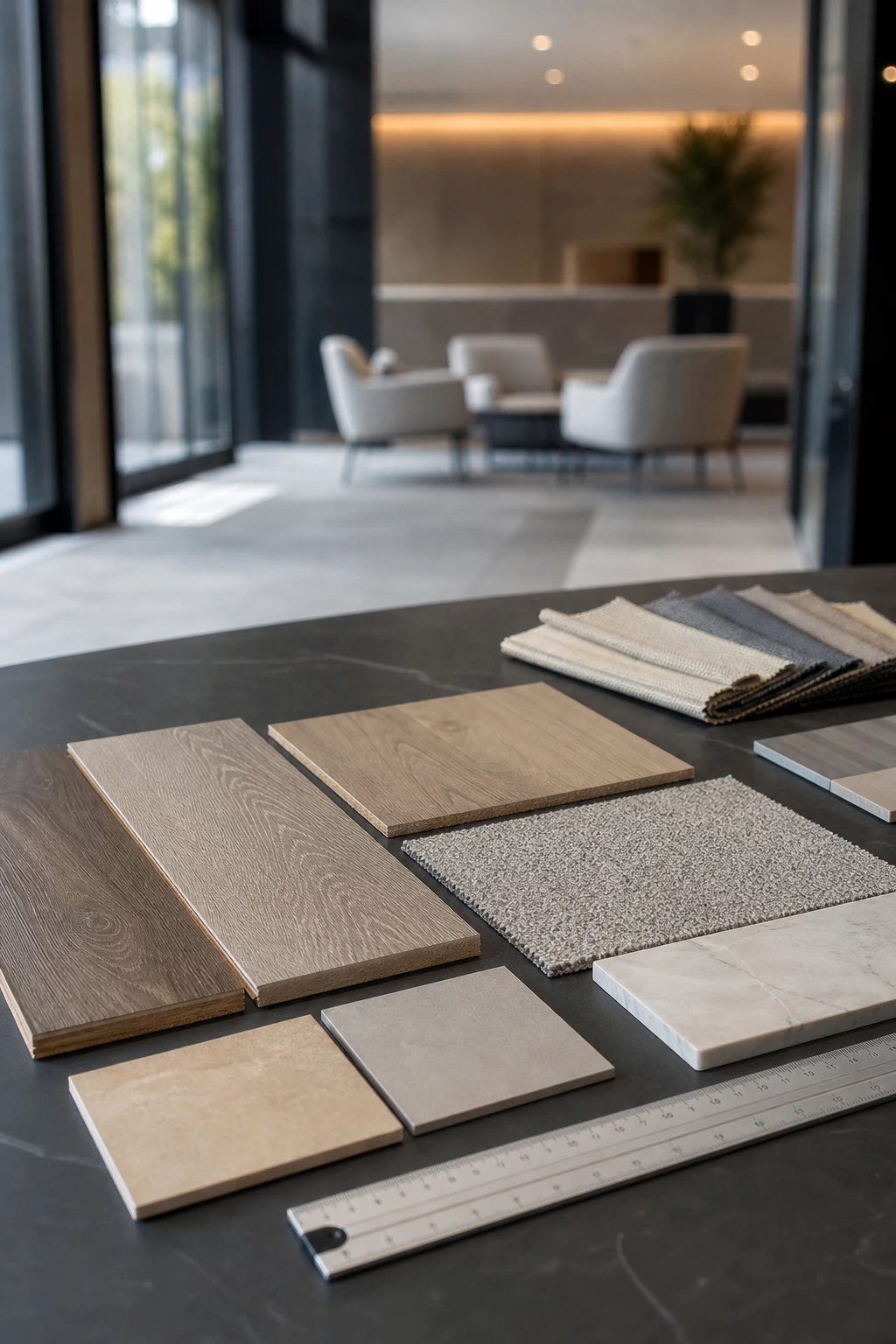
LVT flooring is luxury vinyl tile, a resilient floor made of layered vinyl that looks like stone or wood while resisting water and wear. It fits homes and businesses that need durability with a clean, modern look. Manufacturers design it to handle foot traffic because the wear layer protects the printed surface.
LVT uses a layered build that controls performance. A stable core limits movement, which helps the floor stay flat, while a clear wear layer sets scratch resistance by thickness in mils. This structure explains why LVT lasts longer than basic vinyl tile and installs over many subfloors.
Choices matter because vinyl types differ. LVT compares with LVP, SPC, and WPC by tile shape, core density, and rigidity, which affects comfort, sound, and impact strength. Installation method, maintenance needs, and supplier details shape cost, lead time, and long-term results.
What Is LVT Flooring (And What Does “Luxury Vinyl Tile” Mean)?
Luxury Vinyl Tile (LVT) flooring is a resilient floor made from layered vinyl that copies the look of wood, stone, or tile while resisting water and wear. LVT uses a printed design layer and a clear wear layer, which explains its realistic look and long service life. Manufacturers cut it into tiles or planks, which affects layout options and repair ease.
LVT appearance comes from high-resolution imaging and surface texture. Embossing adds grain or stone detail, which improves slip control and visual depth. Color and pattern choices stay consistent between boxes because factories control the print process.
LVT benefits include water resistance, quiet footfall, and easy care. The wear layer, often 12–20 mil thick, protects against scratches from pets and chairs. Flexible vinyl reduces impact stress, which lowers fatigue compared with ceramic tile.
Primary use cases include kitchens, bathrooms, basements, and busy living areas. LVT handles spills because vinyl does not swell like wood. Floating or glue-down options allow faster installs over flat subfloors.
“Luxury” refers to build quality and finish, not price alone. Thicker cores, stronger wear layers, and better prints raise durability and realism versus basic vinyl. These upgrades explain why LVT outperforms sheet vinyl in traffic zones.
|
Feature |
LVT |
Hardwood |
|
Water resistance |
High |
Low |
|
Maintenance |
Simple |
Moderate |
|
Repair |
Replace tile |
Refinish boards |
Core types and installation systems shape stability, sound control, and subfloor tolerance.
How LVT Flooring Is Built: Layers Explained
LVT flooring uses a layered structure that combines protection, design, strength, and stability in one product. This build explains why LVT handles daily wear better than many sheet or laminate floors.
LVT means luxury vinyl tile, a synthetic floor made from bonded layers of vinyl materials. Each layer has a defined role, and failure in one layer lowers performance across the floor.
|
Layer |
Definition |
Function |
|
Wear layer |
A clear protective coating measured in mil or millimeters |
Resists scratches, stains, and surface wear |
|
Design layer |
A printed film with wood, stone, or tile images |
Controls appearance and pattern clarity |
|
Core layer |
A dense vinyl body, flexible or rigid |
Provides strength, impact resistance, and shape |
|
Backing layer |
A base layer of vinyl or foam |
Adds stability and supports installation |
The wear layer acts as the first defense against damage. Thicker wear layers last longer because they delay surface breakdown under foot traffic.
The design layer controls realism because higher print resolution produces sharper grain and stone detail. This layer stays protected because the wear layer seals it from abrasion.
The core layer determines how the floor reacts to pressure and temperature. Rigid cores reduce movement over uneven subfloors, which lowers the risk of gaps and edge lift.
The backing layer affects sound, comfort, and fit, which connects directly to how the floor installs and performs over different subfloor types.
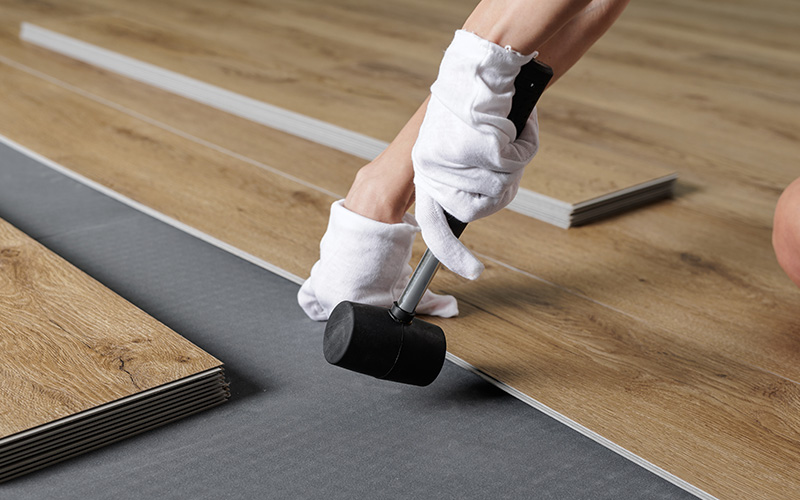
How To Read An LVT Datasheet: The 6 Specs That Matter
An LVT datasheet explains how a specific floor will perform, install, and age based on measured specifications. It lists tested values that help buyers compare products and control risk during use.
1. Wear layer thickness means the clear top layer that protects the design film. Thicker layers resist abrasion longer, which extends service life in busy spaces. As covered earlier, this spec links directly to traffic class and use case.
2. Total thickness defines the full height of the plank or tile. Greater thickness can improve underfoot comfort and hide small subfloor flaws, while thinner options often lower material cost and door clearance issues.
3. Dimensional stability cues describe how the product holds size under heat or load. Core type and heat limits matter because vinyl expands with temperature, and unstable cores can cause gaps or edge lift.
4. Surface performance cues cover scratch, stain, and slip behavior. These values matter because finishes vary, and smoother surfaces clean easier while textured finishes can improve slip resistance when wet.
5. VOC and IAQ ratings state how much the floor emits into indoor air. Low-VOC labels and programs like FloorScore reduce health risk in occupied rooms.
6. Standards and compliance show which tests the product passed and what those results prove. Verified standards reduce guesswork and support fair comparisons across brands, which leads into installation and warranty limits.
LVT Vs LVP Vs SPC Vs WPC: How To Pick The Right Vinyl Flooring Type
This comparison explains how LVT, LVP, SPC, and WPC differ so buyers can match flooring performance to room needs, traffic level, and comfort goals.
LVT, or Luxury Vinyl Tile, is a vinyl floor made with flexible layers and a printed design film. It installs with glue-down or click systems, which allows more subfloor tolerance. LVT works well in homes and light commercial spaces because it balances design choice and cost.
LVP, or Luxury Vinyl Plank, is a plank-shaped form of LVT designed to mimic wood boards. The plank format changes visuals, not material makeup. LVP suits rooms where wood style matters but moisture risk stays present.
SPC, or Stone Plastic Composite, is a rigid vinyl floor with a limestone-based core. The dense core increases dimensional stability, which limits expansion in heat. SPC fits high-traffic areas because hardness improves dent resistance.
WPC, or Wood Plastic Composite, is a rigid vinyl floor with a foamed core. The softer core adds warmth and sound control underfoot. WPC works well in bedrooms and living areas where comfort matters more than impact resistance.
|
Type |
Core |
Key Strength |
Best Use |
|
LVT |
Flexible PVC |
Design range |
Mixed residential |
|
LVP |
Flexible PVC |
Wood visuals |
Living areas |
|
SPC |
Stone composite |
Stability |
Commercial traffic |
|
WPC |
Foamed composite |
Comfort |
Quiet rooms |
Subfloor flatness, moisture exposure, and foot traffic directly affect which vinyl structure performs as intended.
Where LVT Works Best: Residential & Commercial Applications
Luxury vinyl tile (LVT) works best in homes and commercial spaces that need durable, low-care flooring with a stable look over time. LVT is a resilient flooring material made from layered vinyl with a printed design layer and a protective wear layer. These layers control wear because thicker coatings resist scratches and stains.
In residential use, LVT fits rooms with moisture, pets, and daily foot traffic. Kitchens and bathrooms benefit because LVT resists water, unlike wood that can swell. Living areas use LVT because it reduces noise when paired with an underlayment.
In commercial use, LVT supports spaces with steady traffic and fast cleaning needs. Offices, retail stores, and hospitality areas choose LVT because the wear layer handles abrasion better than standard vinyl. Commercial grades often use thicker wear layers to meet higher traffic ratings.
|
Application Type |
Typical Spaces |
Key Attribute |
Decision Rationale |
|
Residential |
Kitchens, basements |
Water resistance |
Prevents damage from spills |
|
Residential |
Bedrooms, living rooms |
Comfort underfoot |
Reduces noise and fatigue |
|
Commercial |
Offices, clinics |
Wear layer thickness |
Extends service life |
|
Commercial |
Retail, hotels |
Design consistency |
Maintains appearance under traffic |
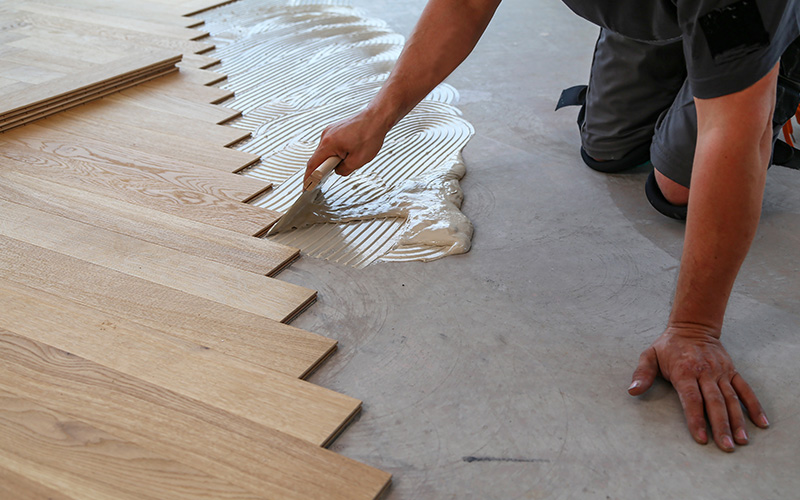
Installation method affects performance because glue-down systems limit plank movement in busy areas, while click-lock systems favor faster residential installs.
How To Install LVT Flooring?
LVT flooring installs by preparing a flat subfloor, choosing the right installation method, and placing tiles or planks in a set layout. LVT, or Luxury Vinyl Tile, is a resilient vinyl floor that uses layers for durability and moisture resistance. Installers start by removing old flooring and fixing low or high spots because uneven surfaces cause gaps and joint stress.
Subfloor preparation sets performance. Concrete needs moisture testing and patching, while wood needs screws tightened and seams leveled. Clean, dry, and flat within 1/8 inch over 10 feet to protect click locks and adhesive bonds.
Layout controls appearance and waste. Installers snap chalk lines from the room center to keep rows straight and cut border pieces last for balance. Expansion gaps stay at 1/4 inch around walls to allow movement from temperature changes.
Installation methods define speed, stability, and repair options.
|
Method |
Definition |
Best Use |
Limits |
|
Glue-down |
Tiles bond to subfloor with adhesive |
Commercial areas; easy plank replacement |
Longer install time |
|
Click-lock |
Planks lock together without glue |
Fast installs; DIY projects |
Needs very flat subfloor |
|
Loose lay |
Heavy tiles rest without adhesive |
Small rooms; quick updates |
Not for heavy traffic |
Cutting uses a score-and-snap knife for straight cuts and a jigsaw for curves around fixtures. Finishing includes rolling glued floors to set adhesive and installing trim, which connects the floor to doorways and adjacent rooms.
How To Maintain LVT Flooring To Extend Service Life?
LVT flooring lasts longer when routine cleaning, surface protection, and moisture control work together to protect the wear layer.
LVT flooring maintenance is the set of cleaning and care actions that preserve the vinyl wear layer, which resists scratches and stains.
Daily care removes grit because abrasive dirt dulls the surface over time. They should sweep with a soft broom or use a suction-only vacuum to avoid brush damage. A damp microfiber mop lifts fine dust without leaving excess water.
Periodic cleaning restores appearance because residue reduces slip resistance and gloss. They should use a pH-neutral cleaner made for vinyl, since harsh chemicals weaken the protective coating. They should rinse lightly to prevent film buildup.
|
Task |
Tool |
Frequency |
|
Dry soil removal |
Broom or vacuum |
Daily |
|
Damp cleaning |
Microfiber mop |
Weekly |
|
Neutral cleaning |
Vinyl-safe cleaner |
Monthly |
Stain control limits permanent marks because some pigments migrate into vinyl. They should wipe spills quickly and use manufacturer-approved spot cleaners. They should avoid steam mops because heat softens vinyl layers.
Protection reduces wear at entry points where traffic concentrates. They should place walk-off mats and use felt pads under furniture to prevent scuffs. They should lift heavy items instead of dragging them.
Environmental control matters because heat and moisture affect dimensional stability. They should maintain indoor temperature and humidity, especially in spaces with direct sunlight or heavy foot traffic.
How To Buy LVT For A Project: What To Ask Suppliers (MOQ, Lead Time, Certifications, Samples)
LVT buying requires clear questions about order size, timing, proof of quality, and test materials to control cost and risk.
LVT, or Luxury Vinyl Tile, is a resilient flooring made from layered vinyl that balances durability, design, and price. Project buyers reduce delays and rework by confirming supplier limits before placing orders.
Minimum Order Quantity (MOQ) is the lowest volume a factory accepts per design or color.
Custom patterns and embossing often raise MOQ because setup time increases. Lower MOQs fit small projects but may raise unit price, while higher MOQs lower price and raise inventory risk.
Lead time is the total time from order approval to delivery.
Lead time depends on raw material sourcing, production slots, and shipping distance. Long lead times strain schedules, so buyers ask for firm dates and penalties for missed targets.
Certifications are third‑party standards that prove safety and performance.
Common checks include FloorScore for indoor air quality and ISO 9001 for factory systems. Missing certificates raise compliance risk, especially in schools and healthcare sites.
Samples are physical pieces used to verify color, wear layer, and lock fit.
Buyers request production samples, not showroom boards, to avoid mismatch after mass production.
|
Question |
Why it matters |
|
MOQ by SKU |
Controls cash flow |
|
Lead time range |
Protects schedules |
|
Certifications |
Meets code |
|
Sample type |
Confirms quality |
Freight terms and packaging specs affect damage rates and landed cost on arrival.