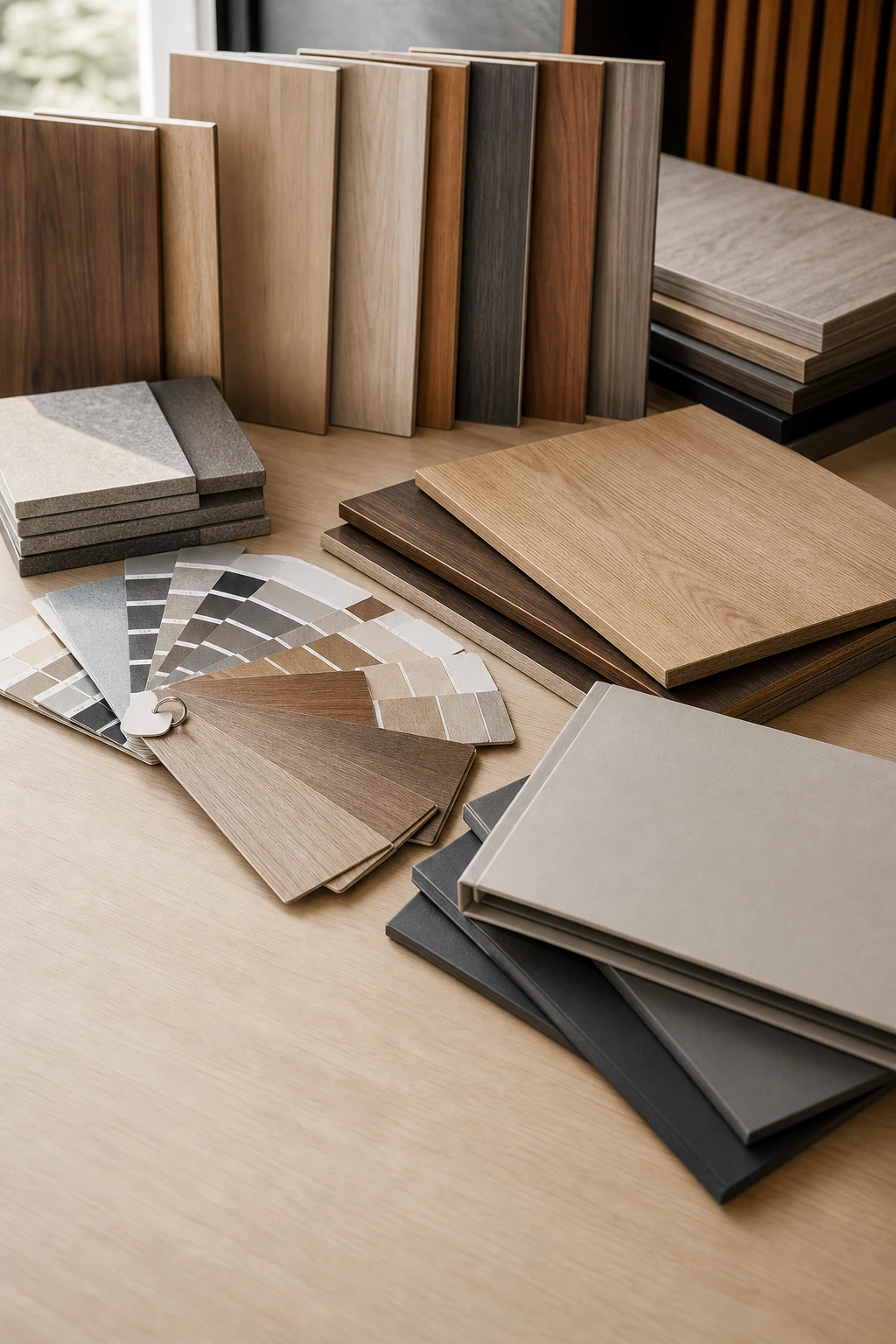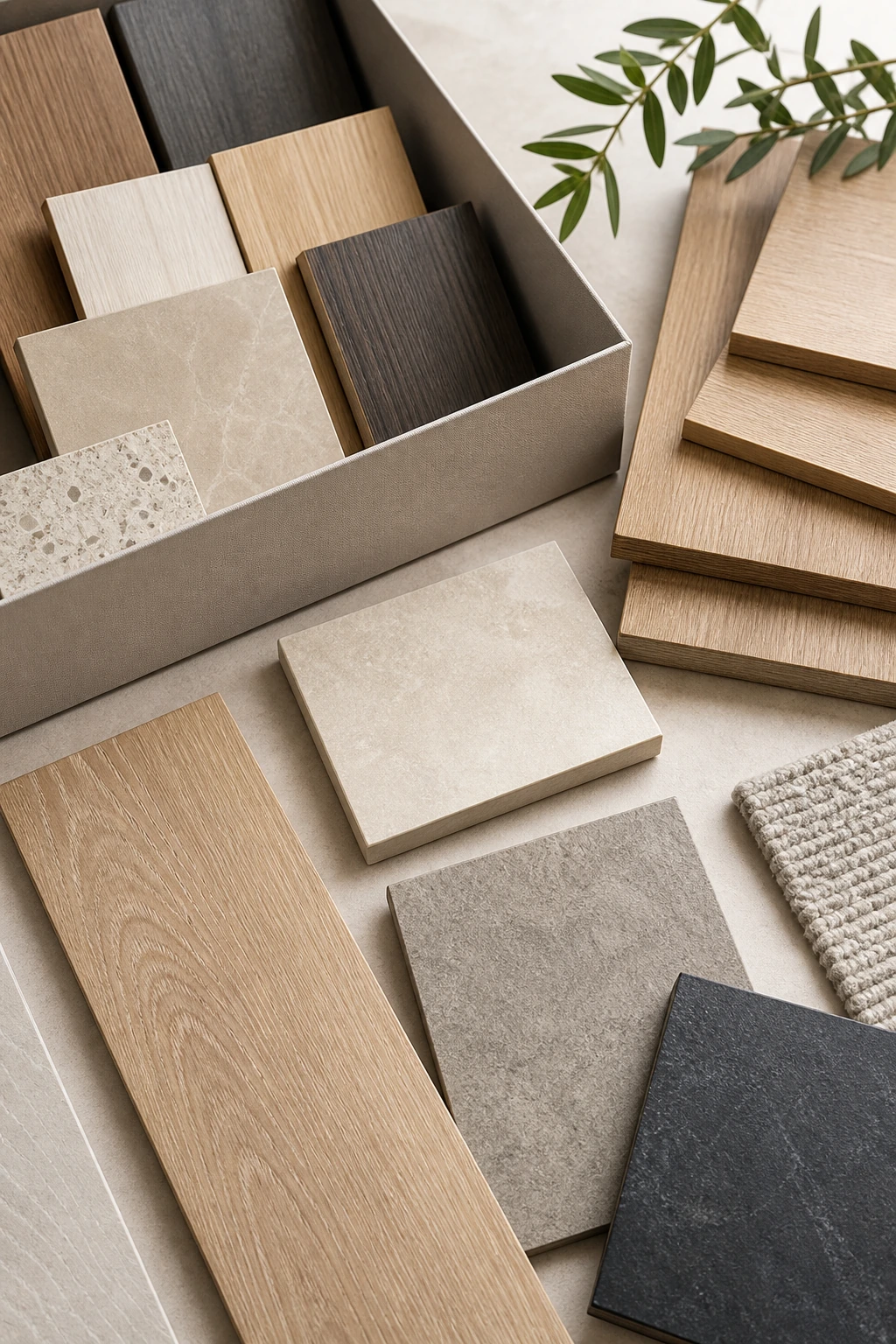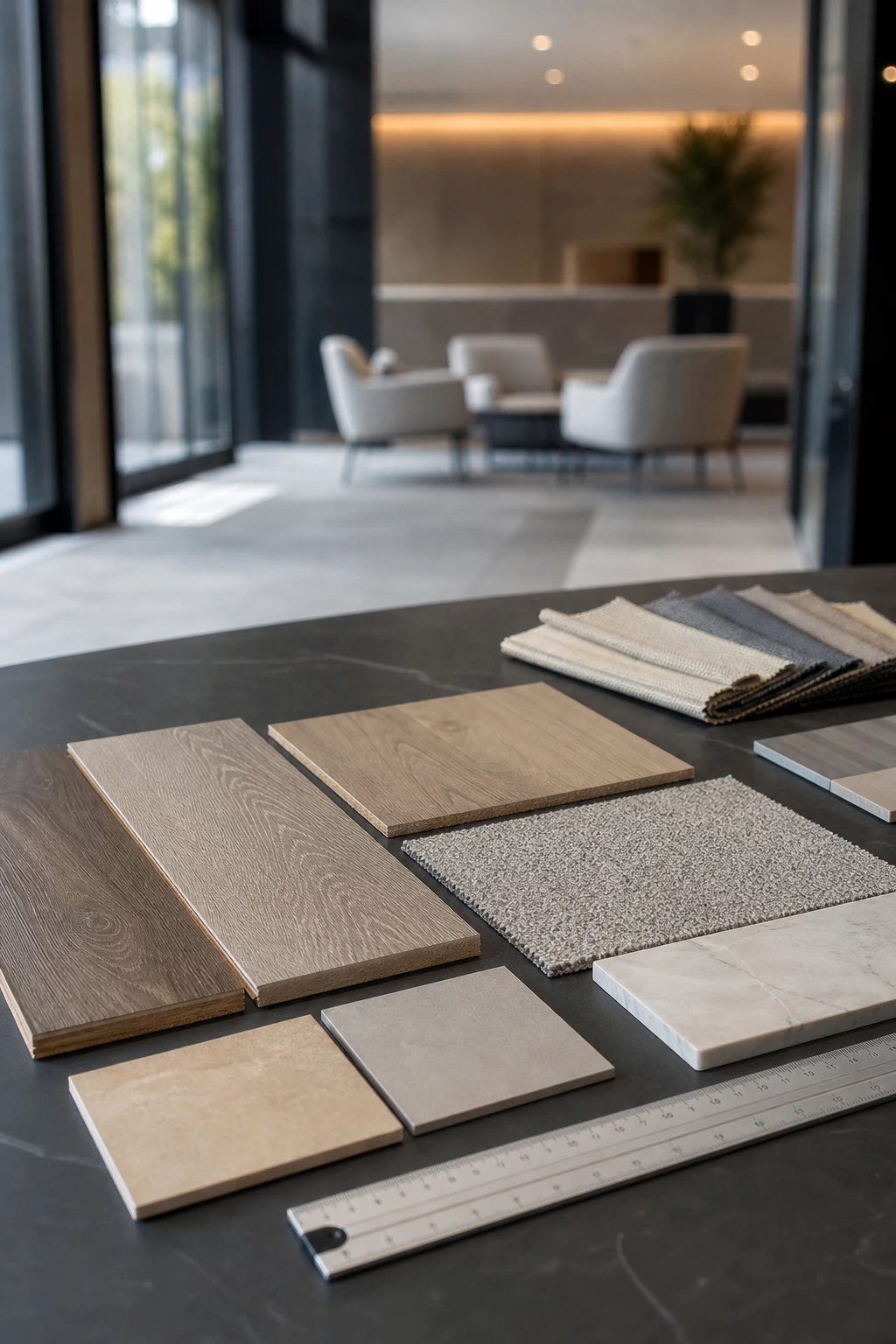
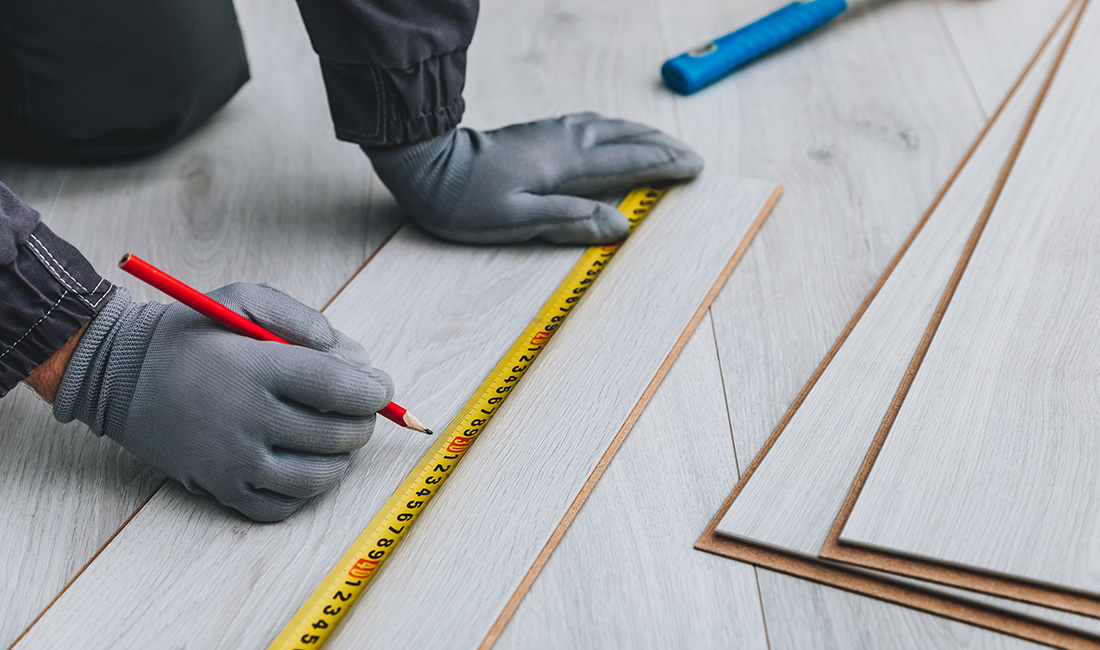
You see SPC flooring in stores and job sites, but what is SPC flooring in simple terms? SPC flooring stands for stone plastic composite flooring—a rigid core vinyl plank made by blending limestone powder and PVC resin to create a dense, waterproof core. Manufacturers press this mix into a solid layer, so the plank resists dents and doesn’t expand much from heat.
The meaning of SPC flooring really starts with its core. Most products use about 60–70% calcium carbonate mixed with PVC, plus a printed design layer and a clear wear layer (measured in mils). This lets you check real specs like core density, total thickness, and wear layer thickness, instead of just trusting vague claims.
What Does The SPC Flooring Meaning Entail In Its Core Composition?
SPC flooring is a rigid core luxury vinyl plank that combines limestone powder and polyvinyl chloride stabilizers to create a 100% waterproof and durable foundation.
Manufacturers call it stone plastic composite flooring or stone polymer composite flooring. In every SPC product, “SPC” means the core composition—not just the surface look.
At the center is the SPC core, made from limestone powder (calcium carbonate), polyvinyl chloride (PVC), and stabilizers. Limestone adds density and forms a hard mineral base. PVC binds everything together, while stabilizers help control heat expansion during production.
This blend forms a dense, rigid slab. Because of that, the plank doesn’t swell when it gets wet and keeps its shape through normal indoor temperature changes.
A typical rigid core vinyl plank is made of several fused layers:
●UV coating – guards against surface wear and staining
●Wear layer (0.3–0.7 mm common range) – shields against abrasion
●Decor film with high-definition printing – creates wood or stone visuals
●SPC core (3.2–7 mm typical thickness) – provides structural stability
●Optional underlayment (IXPE or EVA foam) – reduces sound and adds cushion
The rigid core supports the decor film, keeping the floor flat and stable, even if the subfloor isn’t perfect. No soft spots like you sometimes get with flexible vinyl.
What Are The Advantages And Disadvantages Of SPC Flooring?
SPC flooring is tough. Its core blends limestone powder with PVC, making a rigid composite that stands up to dents and impacts. This helps it hold its shape in high-traffic areas like hallways and retail spaces. Many products use a 0.3–0.7 mm wear layer, which adds some scratch resistance against shoes or pet claws.
It’s also reliably waterproof. The core won’t swell if it gets wet, so it works well in kitchens, bathrooms, and basements. Some planks come with attached IXPE underlayment, which helps with sound absorption and dampening—handy for apartments where footsteps can echo.
Manufacturers sometimes add fire-retardant additives and UV coatings for basic fire resistance and surface stain protection. Many brands offer a 15–25 year residential warranty, which says something about expected service life.
But, SPC is harder underfoot than WPC or laminate. The rigid core doesn’t flex, so it can feel a bit firm if you’re standing for a long time—unless you add underlayment for comfort.
And it needs a flat subfloor. If the base has dips or bumps, the rigid planks might not lock tightly, which can stress the joints as time goes on.
How Does SPC Flooring Compare To Standard LVT Flooring?
SPC vinyl and standard LVT flooring both belong to the luxury vinyl family, but their cores are different. This changes how they handle dents, subfloor issues, comfort, and even price.
Standard LVT uses a flexible PVC core. It bends a bit under pressure, so it feels softer underfoot. That’s nice for bedrooms or living rooms where people walk barefoot or stand around.
SPC vinyl flooring swaps in a rigid core made from limestone powder and stabilizers. This stone-based core is denser and doesn’t flex much. The plank resists compression, so heavy furniture or rolling loads leave fewer dents. That means table legs or appliances won’t mark it up as easily.
Most SPC vinyl plank products use a click-lock system and float over the subfloor. The rigid core can bridge small imperfections because it doesn’t mold itself to dips. Flexible LVT, especially glue-down, tends to show any flaws in the subfloor since it follows the surface shape.
SPC planks usually range from 4 mm to 6 mm thick. Standard LVT is often 4 mm or less. Thicker, denser planks resist impacts better, but they also feel firmer underfoot.
Both are considered waterproof vinyl if they have a waterproof core and sealed seams. But SPC’s rigid core doesn’t swell if it gets wet, so it’s a go-to for kitchens, bathrooms, and some commercial spaces.
How To Choose Between SPC Flooring And LVT Flooring
Pick SPC flooring if you’re dealing with high traffic, heavy furniture, or rolling carts. The stone composite core shrugs off dents thanks to its density. That’s useful in retail, offices, or busy homes.
SPC also works in rooms with moisture. Its waterproof core and floating floor design keep water out, so you worry less about spills in kitchens or laundry rooms.
Go for standard LVT flooring if comfort and budget are bigger concerns. Its flexible core feels softer underfoot and compresses a bit under weight, making it nice for bedrooms or low-traffic living areas.
If you’re also considering WPC flooring, remember WPC uses a foamed core. That adds cushioning but doesn’t resist dents as well as SPC. The choice really depends on traffic, subfloor condition, and how you want the floor to feel.
What Key Specs Differentiate Premium SPC Flooring From Standard Options?
Premium SPC flooring stands out with measurable specs—core density, stability, and wear layer thickness. These directly affect how the floor handles weight, temperature changes, and daily use.
How Core Density Specs Impact SPC Flooring Durability
Core density is measured in kg/m³. Premium SPC usually lands between 1,900–2,100 kg/m³, blending about 60–70% limestone powder with quality PVC resin.
Higher mineral content means a stiffer, denser core that resists dents from heavy furniture or rolling loads. You’ll see fewer marks under tables, cabinets, or store fixtures.
Standard vinyl planks sit closer to 1,500–1,700 kg/m³. That lower density makes a more flexible core, which can compress under pressure and eventually show indentations.
Denser cores also help the plank bridge minor subfloor imperfections. Add an attached underlayment, and the floor stays flatter with less vertical movement.
Why Dimensional Stability Specs Prevent SPC Flooring Shrinkage
Dimensional stability shows how much a plank expands or shrinks with heat. Premium SPC flooring often has a linear expansion rate under 0.06% at high temps.
The stone-filled core hardly moves, so planks barely change size during temperature swings. That means less risk of gaps in winter or edges pushing together in summer.
Standard vinyl with a flexible core expands more, which can stress the locking joints and cause them to separate over time.
Stable planks keep the click-lock system working. When expansion stays low, joints stay tight and lined up. That’s fewer headaches for homeowners and installers—less shrinkage, fewer visible seams.
How Wear Layer Thickness Specs Extend SPC Flooring Life
The wear layer thickness shields the printed design from scratches and abrasion. It’s measured in mils (1 mil = 0.001 inch).
Premium SPC usually comes with a 20 mil (0.5 mm) wear layer or thicker. This clear layer soaks up surface damage, so the decorative layer underneath lasts longer. The floor keeps its look in busy spots like kitchens, hallways, and stores.
Standard options often use 6–12 mil wear layers. Thinner protection wears down faster under feet or moving chairs.
A thicker wear layer doesn’t affect waterproofing, but it does boost resistance to scuffs and light impacts. Paired with a dense core and stable structure, it means longer life in homes and light commercial spaces.
How Do Proper QC Checks Ensure The True Meaning Of SPC Flooring Quality?
SPC flooring means stone plastic composite core—not just a rigid board. The core blends limestone powder and PVC at a set ratio, pressed under heat and pressure. If a manufacturer skips strict checks on this ratio and density, planks might warp or shrink after installation.
Good SPC flooring manufacturers start with raw material checks. They test PVC purity and check for low VOC emissions with reports like FloorScore. FloorScore measures indoor air quality, confirming that finished planks release chemicals below strict limits. That’s peace of mind for homes or schools.
Process control matters just as much. During extrusion, inspectors check core thickness—usually within ±0.1 mm. Keeping that range tight helps click joints line up and reduces gaps between boards.
Annealing is crucial. After extrusion, the core needs to cool at the right temperature and for the right time. Controlled cooling relieves internal stress and cuts down on later expansion or edge curl. Miss this step, and even a good formula can end up warped.
Surface checks help performance, too:
●Wear layer thickness (like 0.3 mm or 0.5 mm)
●UV coating cure level and adhesion
●Click-lock tensile strength tests
A fully cured UV coating stands up to scratches, thanks to a hard, cross-linked layer. When you’re comparing SPC flooring brands, look for documented QC data—not just marketing talk—to prove the product meets its specs.
Conclusion: A Final Summary On SPC Flooring Meaning And Specifications
SPC stands for Stone Plastic Composite, which means its core is made from calcium carbonate and PVC. Manufacturers press this dense core under heat and pressure, so the planks don’t easily expand when exposed to moisture. That’s why SPC works well in kitchens, bathrooms, and basements—basically, anywhere water might show up.
The wear layer is what protects the printed design underneath. Since this clear layer takes all the daily scuffs and scrapes, its thickness makes a real difference in how long your floor looks good. For busy spaces, you’ll want at least 0.5 mm (20 mil) to keep wear and tear in check.
If you’re thinking about SPC as a flooring investment, pay attention to plank thickness, wear layer, and the locking system before you get hung up on color. These specs actually affect how long your floor lasts, how much maintenance it needs, and even your installation bill.
Frequently Asked Questions
What are the disadvantages of SPC flooring?
SPC flooring uses a rigid core made from limestone powder and PVC. That core is dense and doesn’t flex, so it doesn’t cushion your step like foam-backed WPC flooring. It can feel pretty firm underfoot, especially if you put it right over concrete without any underlayment.
You need a flat subfloor—most brands allow just 3 mm variation over a 2-meter span. If the floor dips or rises more than that, the click-lock joints might separate or creak because uneven pressure stresses the edges.
SPC can expand and contract with temperature swings. The rate isn’t as bad as laminate, but installers still leave 5–10 mm gaps along the walls. Skip this, and you might see planks lifting at the edges later.
Direct sunlight can fade the printed design over time. UV coatings help, but big south-facing windows can still cause color changes after a few years.
How is SPC flooring installation carried out?
Most SPC planks use a click-lock system, like angle-angle or drop-lock. Installers tilt one plank into another and snap it down until it locks in place. No glue needed—so installation goes faster and there’s no glue smell hanging around.
Subfloor prep matters a lot. Installers check moisture and flatness first. Concrete usually needs a moisture barrier, especially if vapor emission is high. Skipping this step can let mold grow or cause joints to fail later.
Installers leave expansion gaps around walls, cabinets, and anything fixed. They stagger plank joints by 150–200 mm (at least) to spread out weight and make the floor look better.
For big or tricky spaces, pros really make a difference. They know how to use tapping blocks, spacers, and leveling compounds so you don’t end up with chipped edges or lumpy seams.
What factors should you consider when purchasing SPC flooring?
Wear layer thickness is a big deal. For homes, you usually see 12 mil (0.3 mm) wear layers, while commercial spaces go for 20 mil (0.5 mm) or more. Thicker wear layers mean the floor shrugs off scratches for longer.
Core thickness matters too. Planks usually run from 4 mm to 6.5 mm thick. Thicker cores handle dents better because they spread out pressure from heavy furniture.
Check the locking system and how well the edges fit. A good click profile means fewer gaps after you’re done installing.
Look for Floor Score or GREENGUARD certifications if you care about indoor air quality. Those labels show the product meets low VOC standards, which is important for homes, schools, and offices.
And don’t forget to check the subfloor requirements and warranty details. Some warranties won’t cover you if you ignore flatness or moisture limits during installation.
How does the cost of SPC flooring vary per square foot?
Material costs usually fall between $2 and $6 per square foot in the U.S. Thinner planks with a 12 mil wear layer are on the cheaper end, while thicker boards with a 20 mil wear layer and attached IXPE underlayment land at the top.
Professional installation adds about $1.50 to $3 per square foot, depending on room size and the state of your subfloor. If installers run into high spots or need to pour self-leveling compound, prep work can really bump up the total.
Extra features like beveled edges, embossed-in-register texture, or attached acoustic pads push prices higher since they need more processing. Sometimes it feels like every little upgrade comes with its own price tag.
When you’re budgeting, don’t just look at the plank price. The real cost per square foot bundles in material, underlayment (if it’s not already attached), moisture barrier, and labor. It’s easy to miss a line item or two if you’re not careful.