A Unilin click system is a specific angle-to-angle floor locking mechanism that utilizes pretension technology to pull planks tightly together for seamless joints.
A Valinge click system is an innovative fold-down locking technology that often incorporates a 5G insert to facilitate fast, push-down installation.
When installing floating floors, the locking system can make or break the entire job. In resilient flooring like SPC, joint failure is where most costly claims start. Choosing between Unilin and Valinge isn’t just about patent preference—it’s about real-world results. Unilin’s active pressure keeps seams tight under heavy stress, while Valinge’s vertical click design dramatically speeds up large installations. Understanding how they handle lock strength, subfloor variation, and installation speed will help you avoid common installer errors.
Key Differences Between Unilin and Valinge Click Systems
Unilin and Valinge take different approaches to locking, and those choices show up in joint strength, subfloor forgiveness, and how the install actually feels. You can spot the differences when you look at how each one manages tension, alignment, and what happens as you click planks together.
How Unilin and Valinge Differ in Lock Strength and Joint Integrity
Unilin (Uniclic) uses an angle-angle locking system with a pre-tension profile. When you install, the lower lip flexes and then pushes back against the next plank. That means the joint stays under tension and resists coming apart from temperature swings or foot traffic.
So, the joint stays tight as the floor expands and contracts. This keeps seams snug and helps the floor hold up in bigger rooms.
Valinge 5G goes with a drop lock design—a flexible plastic or fiberglass insert on the short side. You angle the long side in, then fold the plank down. The insert snaps into place and locks both vertically and horizontally.
This creates strong vertical lock, but it really depends on that insert seating fully. If debris gets in the way or the fold-down motion isn’t complete, you might not get a perfect lock.
●Unilin: continuous mechanical tension
●Valinge: mechanical snap with insert-based locking
For anyone comparing Unilin, Valinge, or even i4f click systems, the main thing is how the joint holds up over time—not just how it feels on day one.
How Unilin and Valinge Compare in Subfloor Tolerance
Every click system reacts to subfloor flatness, but the locking shape decides how much unevenness you can get away with before things go sideways.
With Unilin’s angle install, you pull planks together as you rotate them down. The joint gradually engages under pressure, which helps flatten out small subfloor bumps as you go.
For installers, this means minor uneven spots are less likely to cause problems. The tension keeps pressing boards together even after you’re done.
Valinge’s drop lock system needs enough space to fold the short side down. If the subfloor has a hump or dip, the insert might not line up. Sometimes, the plank looks locked but the insert isn’t fully engaged.
In practice, fold-down systems need a flatter subfloor. Installers have to check tolerances before laying out big areas.
You’ll see this with most drop lock designs, including some I4F systems. Angle systems usually handle small irregularities better, while drop-locks want a nearly perfect substrate.
Evaluating Installation Speed and Typical Installer Errors
Valinge’s 5G system wins for installation speed. The fold-down step locks the short side in one motion. Crews can fly across open rooms, which cuts down labor time on big jobs.
That speed comes from skipping the tapping and extra tool use. For production builders, this means lower labor costs per square foot.
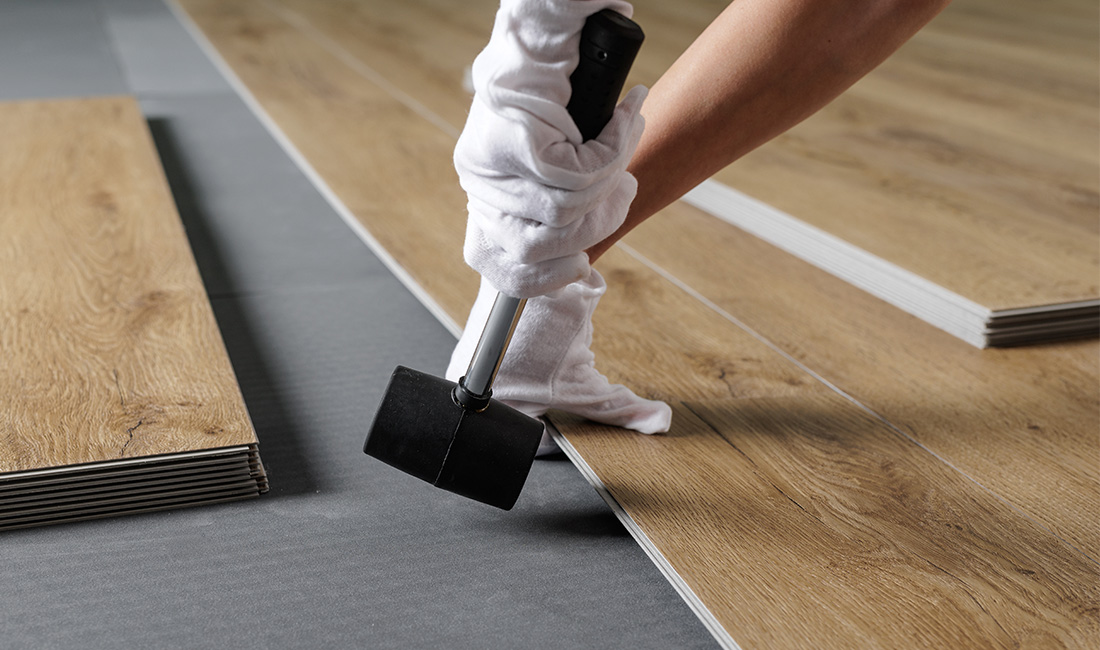
Unilin needs angling and sometimes horizontal tapping on the short side. It takes longer, especially in tight spaces. But, because you must fully engage the joint, there’s less risk of a half-locked seam.
Installer mistakes vary by system:
●Valinge: insert not fully engaged, debris in the channel
●Unilin: edge damage from too much tapping
Unilin’s thicker profile works better on planks above about 3.5 mm. That extra material helps the lock hold up under weight.
So, drop lock systems favor speed. Angle-based systems give you more control and forgiveness with subfloor issues.
Advantages and Disadvantages of Unilin Click Systems
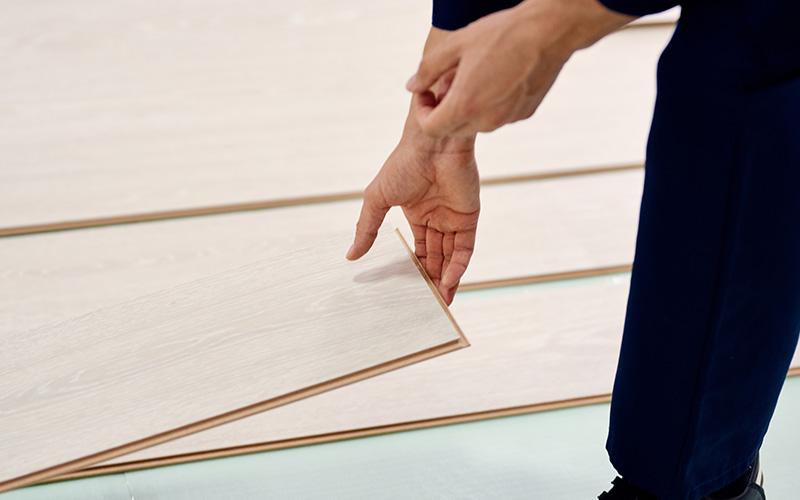
Unilin Click—especially the Uniclic profile—uses an angle-angle design with a pre-tension lip. When you angle and lower the plank, the lip flexes and pulls boards tight. This tension means the joint resists coming apart under traffic and helps prevent gapping over time.
This pull also lets it handle slight subfloor unevenness. The angling can flatten planks as they lock. So, you’ll see fewer gaps if the slab isn’t perfect.
Unilin supports edge protection systems like Unicoat, which helps block moisture at the joint.
But, the angle-angle design takes more steps than fold-down systems like 5Gi or drop-locks like Click4U. Installers have to control both sides, so big projects can take longer. That means higher labor hours compared to one-step fold-downs.
In tight spots, Unilin often needs a tapping block for horizontal engagement. If you hit the edge directly or too hard, you might chip the tongue or finish. The right tools and some practice help, but it’s just a bit trickier than basic drop-locks.
Advantages and Disadvantages of Valinge Click Systems
Valinge builds its systems around mechanical locking that secures both horizontal and vertical movement. The snap action is obvious—you’ll usually hear a “click” that tells you the joint is fully locked.
The big win is installation speed. The Valinge 5G Fold Down system uses a short-side insert that locks when you fold the plank down. Since the insert drops in automatically, crews can cover ground much faster than with angle-angle methods. On big jobs, that’s a real time saver.
The classic Valinge 2G system uses angle-angle without inserts. Both sides lock by angling, giving you predictable engagement. Some installers just like the feel of this approach.
Valinge also offers 5G Dry, which tweaks the joint to slow water getting through. In kitchens or retail, this helps prevent edge swelling where spills happen.
But, fold-down systems need space for that downward motion. If walls or frames are in the way, you might run into trouble compared to systems that allow horizontal tapping.
Valinge profiles can be a bit picky about subfloor flatness or debris in the groove. The insert or lock edge needs to seat completely, so even small stuff can block a full lock—especially with wide planks.
How to Choose Between Unilin and Valinge Click Systems
No single click system is right for every job. The best fit depends on your subfloor, plank thickness, expected traffic, and how much time you have to get it done.
When to Choose Unilin Click Systems
Go with Unilin (Uniclic) if you care most about joint stability and forgiving subfloor tolerance, even if it takes a bit longer to install.
Unilin’s angle-angle profile with pre-tension flexes the lower lip during locking, pressing planks together. The joint stays under tension, so it resists gaps from temperature or humidity swings. That means fewer open seams in rooms with HVAC.
Unilin lets you tap horizontally on the short side. You can slide the plank flat and tap it in under door frames or against walls, which saves time on cuts and rework in tight spots.
Most manufacturers suggest Unilin for thicker planks, usually above 3.5 mm, since the deeper profile supports the locking shape. It’s a solid pick for heavy commercial use, thick SPC cores, or uneven subfloors.
When to Choose Valinge Click Systems
Pick Valinge (Välinge) systems—especially the 5G fold-down—if you need speed and want to keep labor costs in check.
The 5G uses a plastic or fiberglass insert on the short side. Angle in the long side, fold down, and the insert snaps in. One motion locks both vertically and horizontally, so crews can move fast. For developers, that means shorter timelines and less labor cost.
Valinge works great in large residential builds, retail chains, and DIY products. The fold-down makes installation easier for mixed-skill crews and cuts down on tapping mistakes.
Välinge’s 5G Dry option changes the joint to slow water at the seam. In kitchens or entryways, that’s extra peace of mind without messing with the core.
If you need to cover a ton of floor quickly, Valinge usually makes more sense for the business side of things.
Final Thoughts on Flooring Click System Selection
The click system you pick affects everything from install speed to joint strength and long-term headaches. It’s not just a technical detail—it changes how planks go together, how they handle movement, and how much subfloor prep you’ll need.
Unilin’s angle-angle profile with a pre-tension lip keeps pressure on the joint after locking. That helps prevent edge gaps when temperatures swing.
Välinge 5G’s fold-down design uses a mechanical insert on the short side. When you fold the plank, the insert locks in. Installers can finish rows faster and do less tapping—so big projects move along quickly.
If you’re deciding, look at these three things:
●Material type: SPC is rigid, LVT is flexible, laminate has a wood core. Each one reacts differently to moisture and uneven floors.
●Plank thickness: Thin boards limit how deep you can cut the locking profile.
●Site conditions: Flatness and room layout matter—do you have space to angle planks?
Plank replacement is another thing to think about. Angle-angle systems usually let you reverse angle from the wall. Fold-downs may need you to pull up rows from the last installed side. If you manage properties, this can make repairs easier or harder.
It’s worth matching the locking system to your project’s traffic, installer experience, and maintenance needs before you lock in your specs.
Frequently Asked Questions
How do Unilin and Valinge click systems compare in terms of installation efficiency?
Unilin’s Uniclic system uses an angle‑angle profile with a built-in pre‑tension. The installer angles the long side, then locks the short side by angling or with a horizontal tap. That lower lip keeps pulling planks snug.
This tension helps joints stay close, but it means you need to line things up carefully. First-timers sometimes find it a bit slow, and on big crews, it can add a little to labor time.
Välinge’s 5G fold‑down system uses a plastic or fiberglass insert on the short side. After angling the long edge, you just fold the plank down and the insert snaps in. That single motion cuts out extra steps.
For contractors, this usually means faster installs on big, open rooms. You might see lower labor costs, especially in big residential jobs with simple layouts.
But, jobsite quirks matter. Tight spots—like under door frames—sometimes favor Unilin’s horizontal tap, since you can lay planks flat where there’s not enough room to fold down.
Can both Unilin and Valinge click systems be used with all types of flooring materials?
You’ll see both systems in laminate, engineered wood, bamboo, and rigid core stuff like SPC and LVT. The locking profile gets milled into the core, so thickness and density play a role.
Unilin’s deeper milling works best on planks over about 3.5 mm thick. Since it removes more core, thin SPC boards might not hold up—edges can get weak. So, it’s usually a better fit for mid‑ to high‑thickness LVP and laminate.
Välinge offers a bunch of profiles, including options for thinner rigid cores. That means you’ll find it in both thin SPC and chunkier wood products, depending on which version the brand uses.
Honestly, it’s not just about brand. Core construction, plank thickness, and milling precision all matter. A locking system only works right if the core matches its design.
Which locking system, Unilin or Valinge, offers better tolerance for subfloor imperfections?
Unilin’s pre‑tension design creates steady horizontal pressure at the joint. That flexible lower lip pushes planks together and can help close up tiny gaps from minor subfloor bumps or dips.
This tension often keeps joints from showing gaps as the floor settles. In busy commercial spaces, that extra compression can help seams stay tight for the long haul.
Välinge’s fold‑down system locks vertically with the insert snapping into the groove. It’s fast on flat subfloors, but it really depends on good prep—if the subfloor isn’t flat, you’ve got to make sure the short side clicks in all the way. If not, you might get noise or joint movement.
Subfloor flatness is still critical for both. Most LVP guidelines call for no more than 3/16 inch variation over 10 feet. Neither system lets you skip leveling, unfortunately.